
- Home
- Company
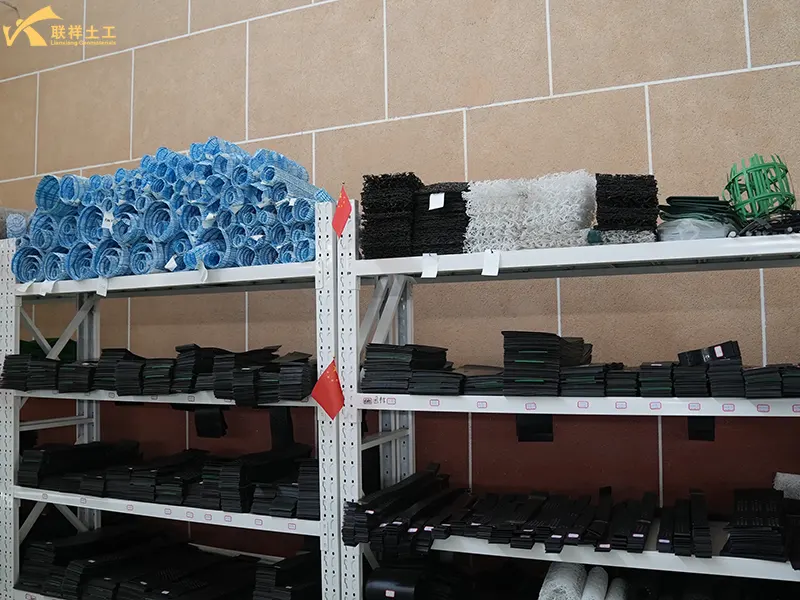
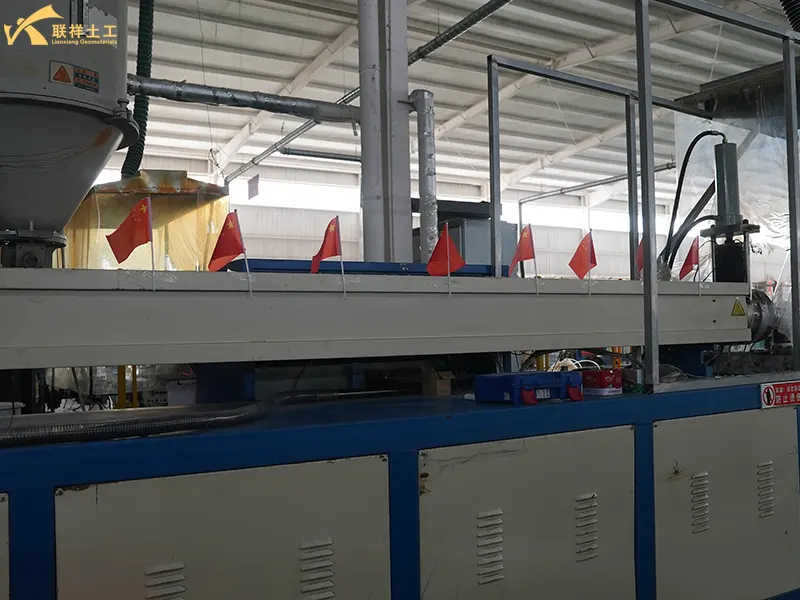
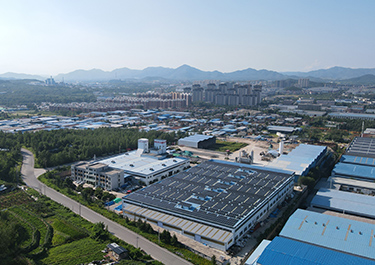 Our FactoryWe have a team of more than 30 talented geotechnical material R&D experts and a 30,000 square meter advanced modern intelligent manufacturing plant.
 - Products
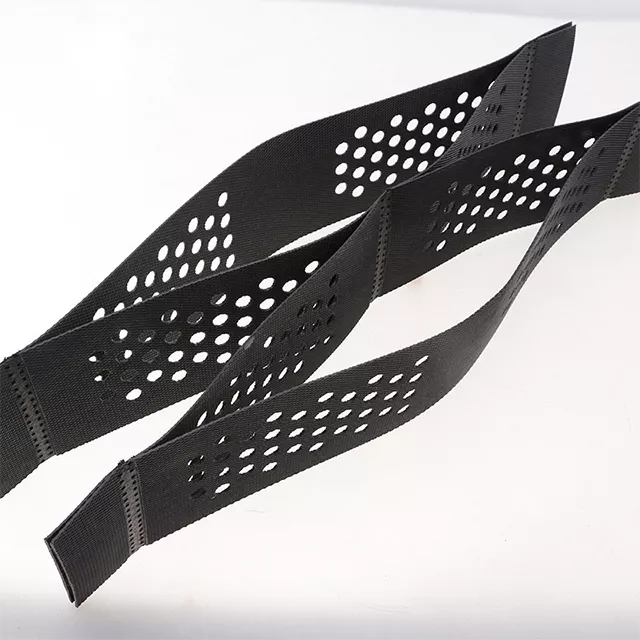 Geocell is a three-dimensional mesh structure made of high-strength polymer sheets (such as HDPE, PP, etc.) through ultrasonic welding. When unfolded, it presents a three-dimensional grid shape.
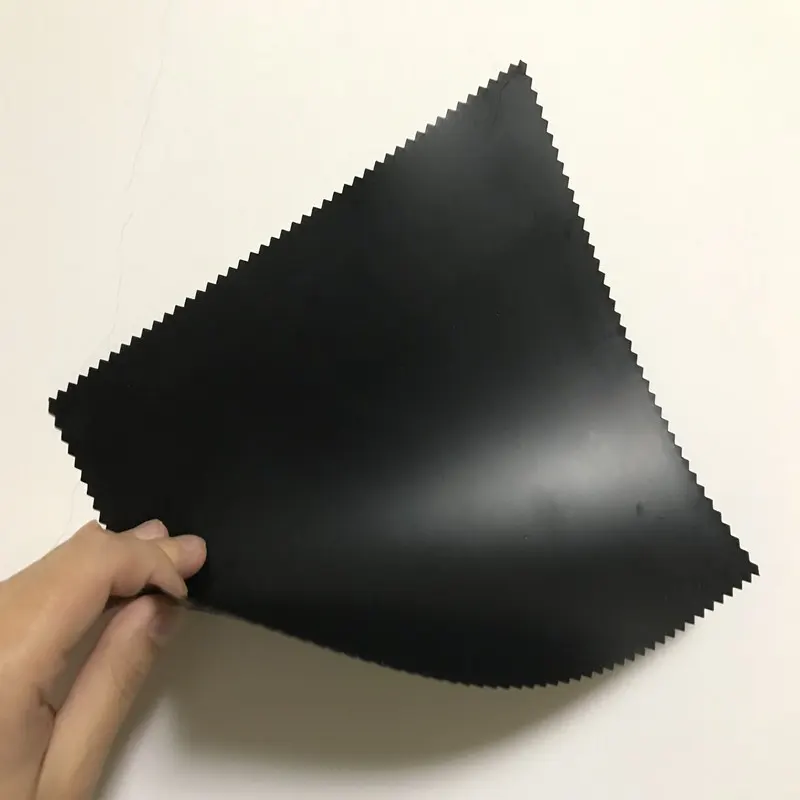 Geomembrane is a thin, extremely low-permeability sheet material made from high-molecular-weight polymers (high-density polyethylene, linear low-density polyethylene).
 - Blog
- Contacts
Treatment Methods for Discarded Geocells and the Necessary Conditions for Recycling


The treatment of waste geocells needs to be comprehensively determined based on their material type, degree of damage, pollution status, and recycling value. It is mainly divided into three categories: recycling, resource recovery, and harmless disposal. Regarding recycling, waste geocells can be reused, but the feasibility and performance of the recycled material depend on three core factors: the material characteristics of the geocell, its post-use condition, and the level of recycling technology. Below, Lianxiang Geotechnical will summarize the treatment methods for waste geocells and the necessary conditions for recycling.
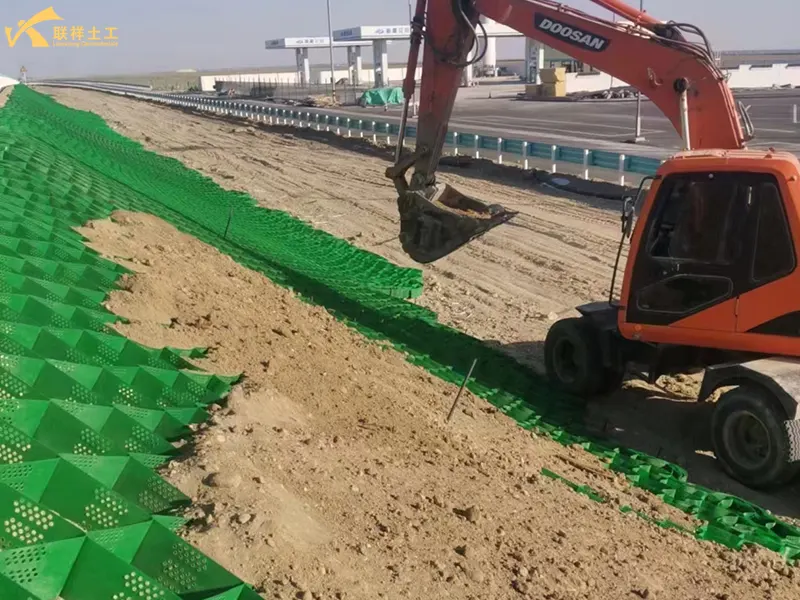
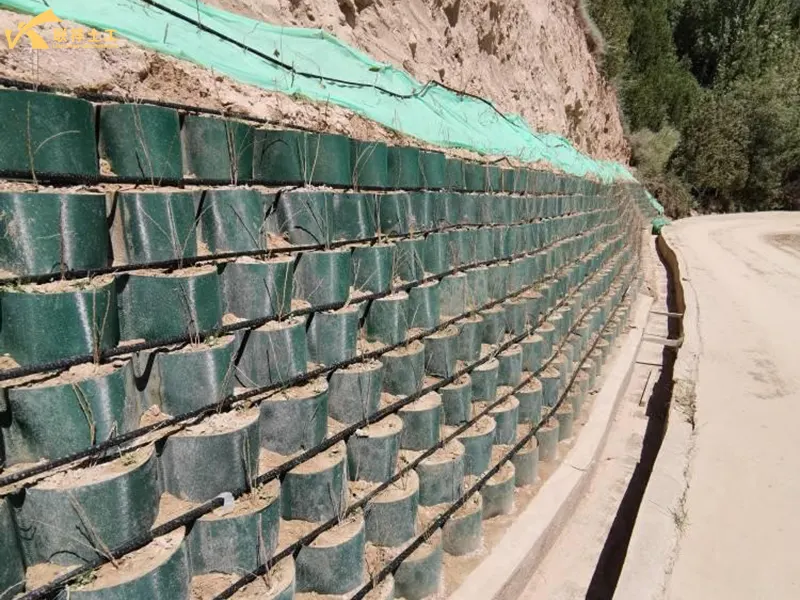
1. Recycling (Preferred, Optimal Solution for Resource Recycling)
This method is suitable for waste geocells made of thermoplastic plastics such as HDPE/PP, with minimal damage and no pollution. For specific processes and requirements, refer to the recycling conditions section above. The core steps are as follows:
- Sorting and Classification: Sort by material (HDPE/PP separated) and product model, removing geocells with other inseparable materials (such as rubber or polyester fiber) or those contaminated with highly corrosive/toxic pollutants.
- Cleaning and Impurity Removal: High-pressure water washing removes mud and sand; minor oil stains are removed by soaking in alkaline water. Cleaning wastewater is treated by sedimentation and neutralization before being discharged in compliance with standards.
- Crushing and Granulation: The cleaned geocells are crushed into 5-10mm particles, which are then melt-extruded and granulated. Antioxidants and compatibilizers are added to repair the molecular chains, producing recycled plastic particles.
- Recycled Product Production: Recycled particles can be used to produce low-grade geocells (for non-core projects such as rural roads and farmland irrigation), or to manufacture non-geotechnical products such as plastic pallets and building blocks.
2. Resource Recovery (Secondary Option, Applicable to Geocells with Low Recycling Value)
For severely damaged (damaged area > 30%) and highly aged waste geocells, but without toxic pollution, resource recovery and reuse can be achieved through physical modification without the need for melt granulation:
2.1. Crushed Geocells as Filler
- Crushed into fragments with a particle size of 20-50mm, these fragments are mixed into concrete or mortar to replace part of the sand and gravel aggregate, used for constructing access road subgrades, temporary retaining wall blocks, and roadbed backfill materials, etc.
- Application Restrictions: The dosage should not exceed 15% of the total aggregate to avoid affecting concrete strength; it is strictly prohibited for use in structural load-bearing components.
2.2. Direct Conversion as Temporary Engineering Materials
- For partially damaged geocells, complete units can be cut and spliced for short-term projects such as temporary slope protection, temporary foundation pit support, and lining of farmland irrigation ditches, with a service life not exceeding one year.
- Requirements: The strength retention rate of the geocell ribs should be ≥ 30%, and there should be no large-area detachment of welds.
3. Harmless Disposal (Last-Choice Solution, Applicable to Cells with No Utilization Value)
For abandoned geocells contaminated with strong acids/alkalis/heavy metals, carbonized and embrittled, or with extremely low recycling and resource recovery value, environmentally compliant harmless disposal methods must be adopted:
3.1. Incineration for Power Generation (Energy Recovery)
- Sent to an incineration plant with hazardous waste treatment qualifications for incineration at high temperatures (≥850℃). The generated heat energy is used for power generation or heating.
- Key Requirements: The incineration process must be equipped with flue gas purification devices (to remove pollutants such as dioxins and hydrogen chloride). The residue must be solidified before landfilling, complying with the "Standard for Pollution Control of Hazardous Waste Incineration" (GB 18484-2020).
3.2. Sanitary Landfill (Final Disposal)
- As a last-choice method, only applicable to geocells that cannot be incinerated or recycled. The waste must be sent to a compliant sanitary landfill. Before landfilling, it must be crushed and compacted, layered, and covered with an impermeable membrane to prevent leachate from contaminating the soil and groundwater.
- Precautions: Random disposal or open burning is strictly prohibited to avoid causing white pollution and soil contamination.
4. Core Principles for Choosing Treatment Methods
- Priority Principle: Recycling > Resource Utilization > Harmless Disposal, maximizing resource utilization.
- Environmental Compliance Principle: All treatment processes must comply with the "Solid Waste Pollution Prevention and Control Law" and local environmental protection requirements to avoid secondary pollution.
- Economic Principle: A comprehensive assessment of treatment costs and recovery value should be conducted. For severely polluted cells with excessively high treatment costs, direct harmless disposal should be adopted.
5. Core Prerequisites for Recycling
5.1. Assessable Material Condition
- Clear Source: The original use environment of the abandoned cell (e.g., roadbed, slope, riverbed), load history, exposed chemical substances (acidity, alkalinity, salinity), and service life must be clearly identified.
- Performance Testing: Key performance tests must be performed on the recycled geocell sheets, including:
- Mechanical Properties: Residual tensile strength, weld strength or joint strength, elongation at break.
- Aging Degree: Assess UV embrittlement, oxidative degradation, stress cracking, etc.
- Contamination Degree: Check for severe contamination by soil, grease, chemicals, or embedded impurities.
5.2. Technical Feasibility Conditions
- Effective Recycling Technology: Possess low-damage cleaning, separation (from filler), cutting, and packaging technologies.
- Processing and Modification Technology: For downgraded reuse, crushing and granulation technologies may be required; for high-value reuse, technologies for compounding with new materials or adding anti-aging agents for modification and reinforcement may be required.
- Quality Control Standards: Establish quality standards and testing methods for recycled geocells or their derivatives (such as recycled plastic granules).
6. Economic Feasibility Analysis of Recycling
- Cost Advantage: The total cost of recycling, transportation, cleaning, processing, and remanufacturing must be significantly lower than the cost of producing new geocells, or the price difference should be offset through other means (such as environmental subsidies, carbon credits, and savings in waste disposal fees).
- Stable Supply: A sufficient scale and stable source of waste geocells are needed to support the operation of the recycling industry chain.
- Market Demand: There is a market demand for recycled materials used under "downgraded" or "limited conditions." For example, for use in temporary projects with lower requirements, ecological restoration projects, low-grade roadbed fillers, or the manufacture of other plastic products (such as municipal facilities).
7. Safety Conditions for Recycling
- Graded Utilization System: Establish clear recycling grading standards, for example:
- Grade A (Direct Reuse): Meets performance standards and can be directly used in secondary or temporary projects after cleaning and disinfection.
- Grade B (Processed Utilization): Crushed and used as filler or used to manufacture low-requirement products.
- Grade C (Energy Recovery): When materials cannot be utilized, safe incineration capacity is used.
- Design Specifications and Guidelines: Develop or revise engineering design specifications, clearly defining the permitted use of recycled geosynthetics in specific engineering locations and under what conditions, and providing conservative design parameters (using higher safety factors).
- Long-Term Performance Data: Ideally, experimental data or pilot project evidence should be available to demonstrate its long-term durability under specific environmental conditions.
7. Legal and Policy Conditions
- Waste Management Regulations: Clearly classify waste geosynthetics and encourage resource utilization, rather than simple landfilling.
- Green Procurement Policies: Governments or large enterprises should prioritize the procurement or provide price subsidies for products using a certain proportion of recycled materials in infrastructure projects.
- Standards and Certifications: National or industry standards should include relevant regulations for recycled geosynthetics, and a third-party certification system should ensure product quality.
8. Implementation Process Conditions
- Reverse Logistics System: Establish a collection and transportation network from the engineering site to the processing center.
- Industry-Academia-Research Collaboration: Materials scientists, civil engineers, manufacturers, and recycling companies should jointly develop solutions.
- Life Cycle Assessment: Conduct LCA analysis to ensure that the reuse process truly yields net environmental benefits, rather than transferring pollution.
9. Precautions for Recycling and Reuse
- Abandoned geocells must be recycled promptly after project completion to avoid prolonged open-air storage that accelerates aging.
- The quality of recycled materials must be tested, and key indicators (tensile strength, yield elongation, weld peel strength) must meet the requirements of the corresponding grade in the standard "Geosynthetics - Geocells" (GB/T 19274-2012).
- The recycling process must comply with environmental protection requirements. The crushing stage must be equipped with dust collection devices, and washing wastewater must be treated by sedimentation and neutralization before discharge.
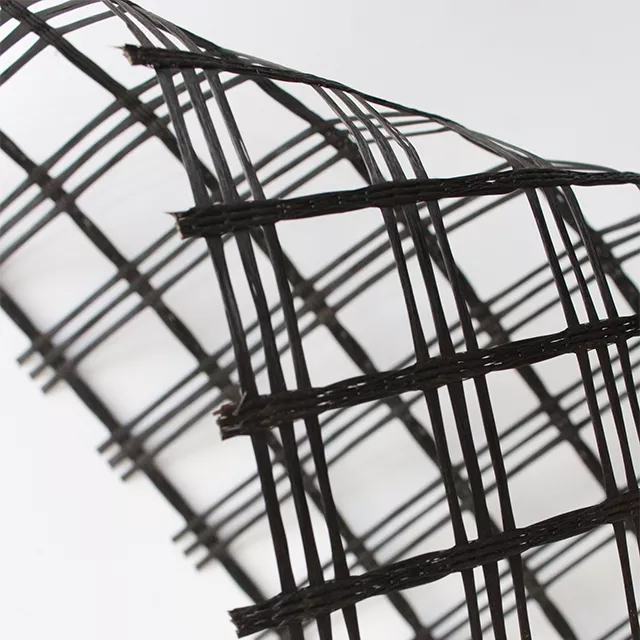
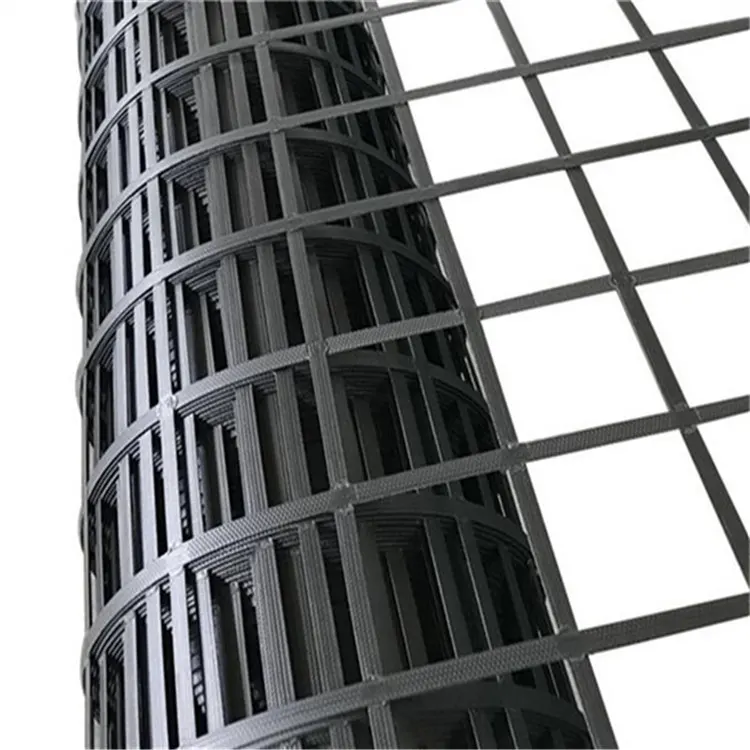
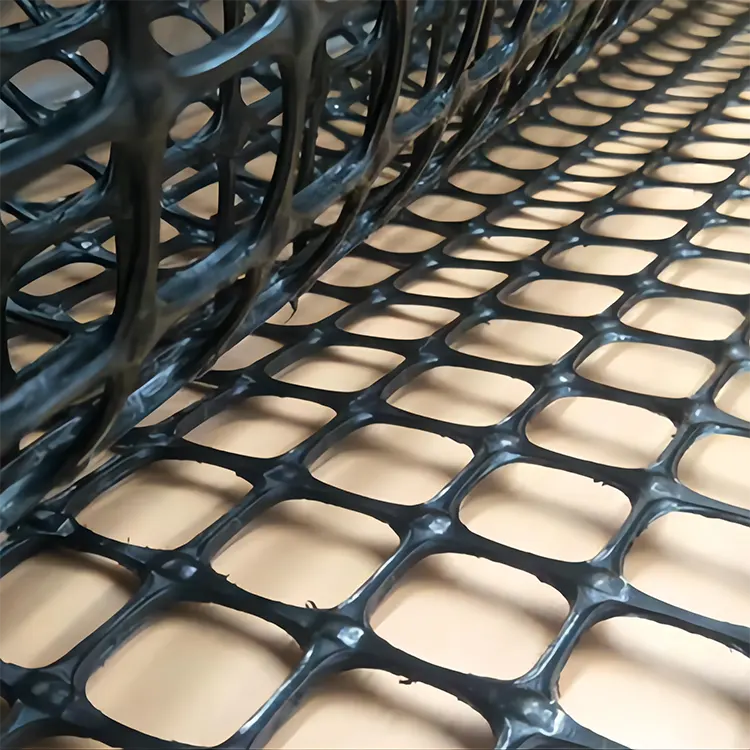
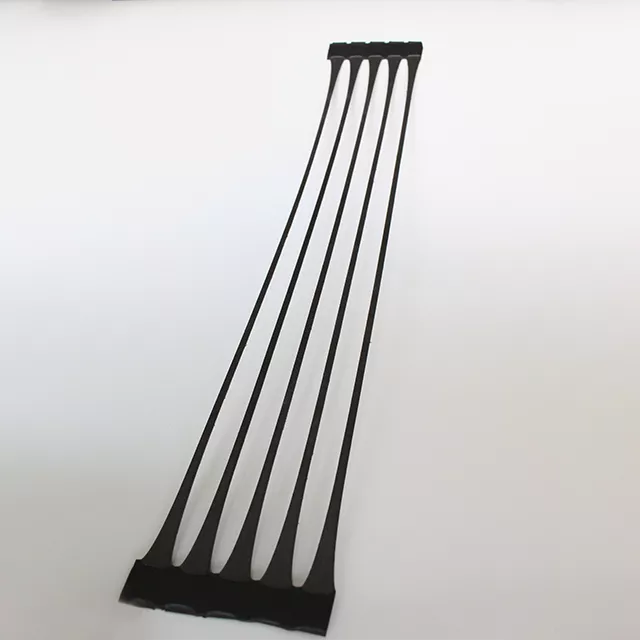
The recycling and reuse of abandoned geocells is not simply a matter of "recycling and reuse." Its most fundamental and necessary condition is: under the premise of ensuring absolute project safety and reliability, to produce recycled products with clear performance standards and economic competitiveness through technical means, and to obtain market, policy, and standard system recognition and support. In short, it must simultaneously meet the following conditions: technical feasibility, economic viability, safety and reliability, policy permission, and market acceptance. The absence of any one of these conditions may prevent the reuse plan from being implemented. Currently, this remains an area requiring ongoing research, standard setting, and market cultivation, but it is crucial for promoting the green transformation of the civil engineering industry. The above is an introduction to the treatment methods of waste geocells and the necessary conditions for recycling. Lianxiang Geotechnical specializes in producing various types of geocells and geogrids. Please feel free to contact us if you have any needs.
Written by
SHANDONG LIANXIANG ENGINEERING MATERIALS CO., LTD.
Kyle Fan
WhatsApp:+86 139 5480 7766
Email:admin@lianxiangcn.com
-
WhatsApp
-
E-MailE-Mail:admin@lianxiangcn.com
-
WeChatWeChat:18554180188