
- Home
- Company
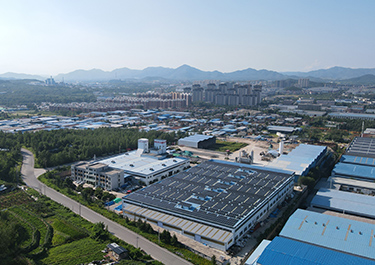 Our FactoryWe have a team of more than 30 talented geotechnical material R&D experts and a 30,000 square meter advanced modern intelligent manufacturing plant.
 - Products
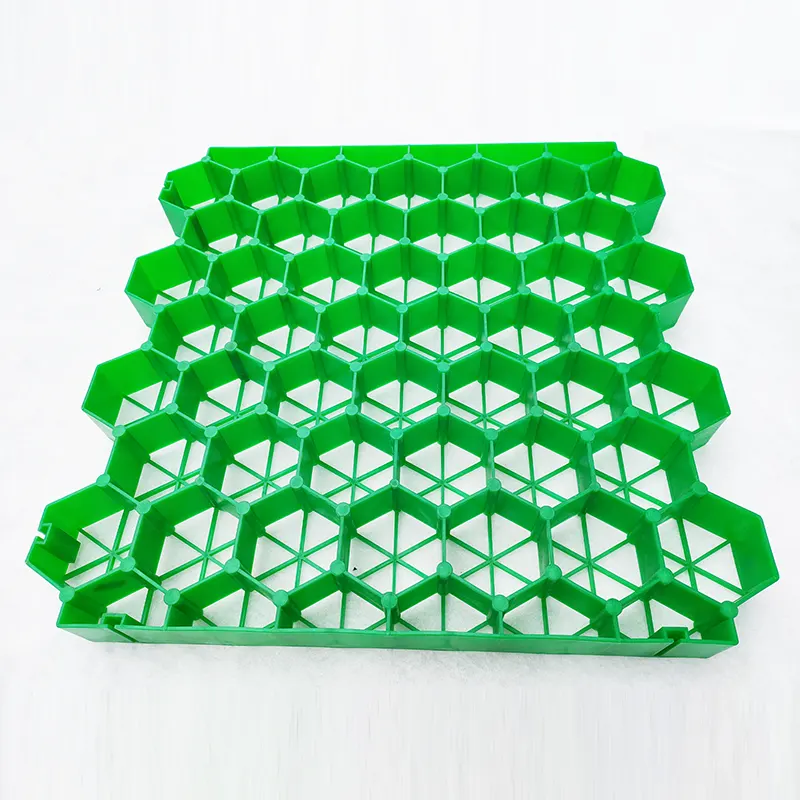
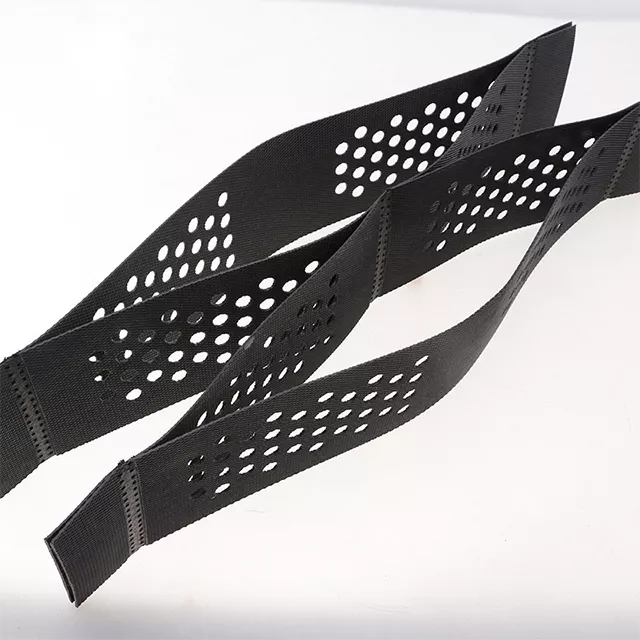 Geocell is a three-dimensional mesh structure made of high-strength polymer sheets (such as HDPE, PP, etc.) through ultrasonic welding. When unfolded, it presents a three-dimensional grid shape.
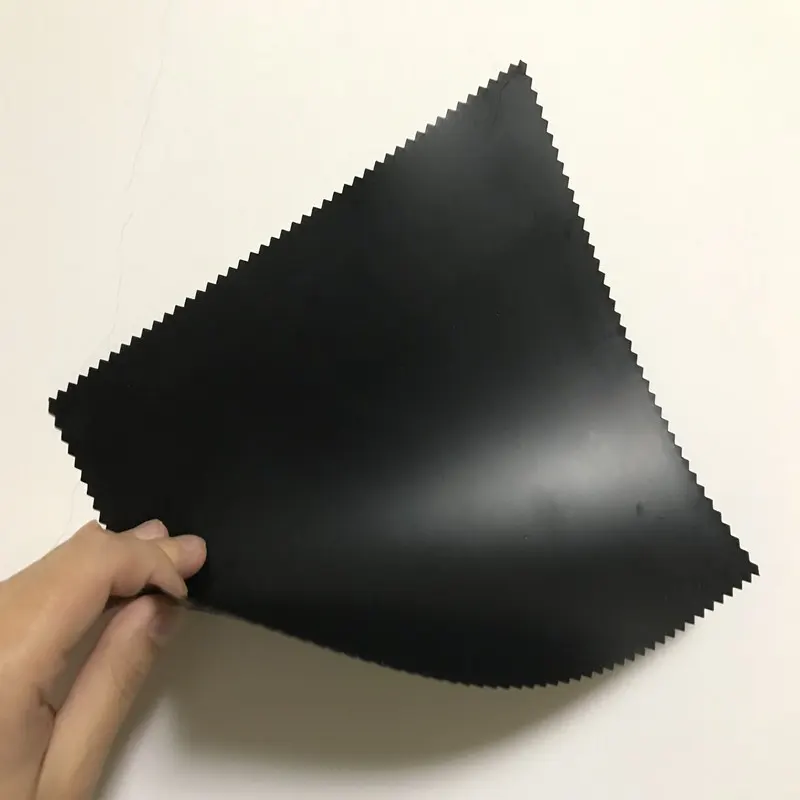 Geomembrane is a thin, extremely low-permeability sheet material made from high-molecular-weight polymers (high-density polyethylene, linear low-density polyethylene).
 - Blog
- Contacts
Eight Basic Steps of Standardized Anchoring Construction of Geocells


The basic process of geocell anchoring follows the core logic of "preparation, positioning, drilling, tensioning, anchoring, and testing," and revolves around the principle of "uniform stress and firm anchoring." It is applicable to various working conditions such as roadbed reinforcement, slope protection, and soft soil treatment. Today, Lianxiang Geotechnical will explain the eight basic steps of standardized geocell anchoring construction.
1. Four Preparatory Works Before Construction
1.1. Core Basis for Positioning
- The positioning must be based on the engineering design drawings. The drawings must clearly define the lateral spacing, longitudinal spacing, and layout levels of the anchoring points (such as the top/middle/toe of the slope), as well as the densification requirements for special areas (such as roadbed curves and slope transitions).
- Before positioning, a site re-survey must be completed to verify the consistency between the terrain and topography and the design drawings. If there are terrain deviations (such as excessive slope ratio or insufficient roadbed width), the positioning plan must be adjusted in conjunction with the design unit. Unauthorized changes are strictly prohibited.
1.2. Positioning Standards for Different Engineering Scenarios
| Application Scenarios | Anchor Point Layout Levels/Locations | Spacing Requirements | Special Positioning Points |
| Slope Protection (Permanent) | Three-level layout: slope top, slope waist, and slope toe | 2-4m laterally, 3-5m longitudinally | Slope top anchor points need to extend 0.5-1.0m beyond the slope shoulder; slope toe anchor points need to be buried outside the slope toe drainage ditch to enhance anti-sliding force. |
| Roadbed Reinforcement (Embankment Roadbed) | Roadbed base, roadbed slope, roadbed top edge | Base: 3-5m laterally, 2-4m longitudinally; Slope: 2-3m laterally, 3-4m longitudinally | In stress-concentrated areas such as roadbed curves and intersections, the anchor point spacing needs to be increased by 30%; roadbed edge anchor points need to be offset inward by 0.3-0.5m to avoid exposure damage. |
| Soft Soil Foundation Treatment (Silt Layer) | Uniformly laid across the entire foundation, without layering | 2-3m laterally, 2-3m longitudinally | Anchor points must be positioned synchronously with the gravel cushion layer to ensure the anchor penetrates the soft soil layer and enters the underlying hard soil layer. |
| Temporary Access Road/Site Reinforcement | Full-coverage foundation, no layering required | 4-5m laterally, 4-6m longitudinally | Simplified positioning can be achieved using a grid-like uniform layout, with emphasis on reinforcing access road entrances and exits. |
1.3. Material and Workpiece Preparation
- Check the specifications of anchors (anchor rods, U-nails, soil nails) and pressure plates (steel plates/geosynthetic pressure plates), confirm that the anti-corrosion treatment (hot-dip galvanizing/rust-proof paint) of metal anchors meets the standards, and that the geocells are undamaged.
- Prepare tools such as a total station, measuring tape, drilling machine, rammer, and torque wrench.
1.4. Foundation Treatment
- Remove sharp debris and tree roots from the foundation. Compact the foundation to the designed compaction degree using a rammer (subgrade ≥93%, slope ≥90%).
- Lay a 10-15cm gravel cushion layer in soft soil areas to improve the foundation's bearing capacity, ensuring a flat foundation with uniform bearing capacity and preventing anchor bolt sinking during anchoring.
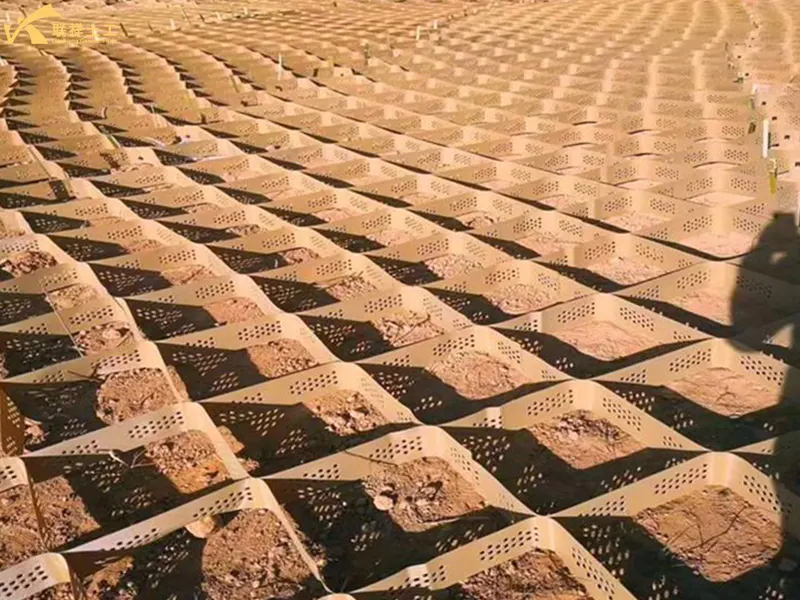
2. Surveying and Setting Out Anchor Points
2.1. Baseline Layout: Determining the Positioning Reference Line
The baseline is the core basis for anchor point layout. The location of the baseline needs to be determined according to different engineering scenarios:
- Slope Protection Engineering: Using the slope top line and slope toe line as longitudinal reference lines, use a measuring rope to horizontally pull graded baselines (slope waist positions) along the slope surface. The grade height is divided according to the design slope ratio (e.g., for a 1:1.5 slope ratio, a slope waist baseline is set every 5m).
- Roadbed Reinforcement Engineering: Using the roadbed centerline as the longitudinal baseline, symmetrically establish transverse baselines (roadbed edge lines, base boundary lines) to both sides, clearly defining the transverse layout of anchor points for the roadbed base, slopes, and top surface.
- Soft Soil Treatment Engineering: Establish closed baselines along the base boundary line, ensuring anchor points cover the entire reinforcement area without any blind spots.
2.2. Anchor Point Location Layout: Mark according to design parameters
General Layout Method
- Along the longitudinal baseline, measure distances using a steel tape measure according to the designed longitudinal spacing (e.g., 3m, 5m), marking the longitudinal point lines.
- Along the transverse baseline, measure distances according to the designed transverse spacing (e.g., 2m, 4m). The intersection of the longitudinal and transverse point lines is the anchor point location.
- Drive wooden piles into the ground at each intersection, with the top of the piles flush with the ground. Draw a circle (20cm in diameter) around the pile with lime to clearly mark the drilling/nailing position.
Special Layout Requirements for Different Scenarios
- Slope Anchor Points: Anchor points must be arranged in a staggered, quincunx pattern, and should not be laid out along the same vertical line to prevent the formation of weak stress zones. Anchor points at the top of the slope must extend 0.5-1.0m beyond the slope shoulder to enhance anti-sliding tensile strength.
- Roadbed Anchor Points: In areas with concentrated stress, such as curves and intersections, the spacing must be increased by 30% during layout. Anchor points at the roadbed edge must be offset inwards by 0.3-0.5m to avoid exposure and damage from vehicle traffic.
- Soft Soil Anchor Points: Layout should be done in a full grid pattern, without layering, ensuring that the anchor rods can penetrate the soft soil layer and reach the underlying hard soil layer.
2.3. Point Verification and Reinforcement: Ensuring Accurate Positioning
- Accuracy Verification: All anchor points will be recalibrated using a total station, with a focus on verifying the coordinate deviations of key points (the first anchor line at the top of the slope, and anchor points on both sides of the roadbed centerline). The lateral/longitudinal spacing deviation must be ≤5cm, and the elevation deviation ≤3cm.
- Marking and Reinforcement: After verification, mark the anchor point number on the wooden stakes (e.g., slope top-1, base-2), and compact the area around the stakes with gravel to prevent displacement during construction. Anchor points near underground pipelines and structures must be re-layed out to avoid them, and any changes must be recorded.
2.4. Precautions for Layout and Positioning
- Layout must be carried out after the base treatment is completed (remove debris, compact and level) to avoid point displacement due to base undulations.
- Measurement and layout should not be carried out in rainy or windy weather to prevent rainwater from washing away the lime markings and strong winds from affecting the accuracy of the measuring rope.
- After layout is completed, a measurement verification and certification must be obtained, and the measurement data must be retained as the original basis for project acceptance.
3. Anchor Point Drilling/Nail Installation
3.1. Preparatory Work Before Drilling
- Equipment Selection: Select the drilling rig according to the properties of the foundation soil. Use a small auger drill for soft soil/silty soil, and an impact drill for hard soil/gravelly soil. For temporary projects, a handheld drilling rig can be used. Prepare tools such as a depth gauge, borehole gauge, air compressor (for cleaning the borehole), and brush.
- Parameter Verification: Confirm the borehole diameter, depth, and angle according to the design drawings. The borehole diameter should be 10-20mm larger than the anchor bolt diameter (to allow for grouting space), the depth should exceed the potential sliding surface by 0.5-1.0m, and the angle should be preset according to the working conditions (slope elevation 10°-20°, roadbed vertical).
- Point Verification: Double-check the anchor point stake markings to ensure there is no offset; remove debris within a 50cm radius around the drilling point, and level the drilling surface to prevent drilling deviation due to rig tilting.
3.2. Standardized Drilling Operation Procedures
- Drill Rig Positioning and Fixing: Align the drill bit with the center of the anchor point wooden pile, adjust the rig's level, and fix the rig with a support frame to prevent displacement during drilling. When drilling on slopes, an operating platform must be erected to ensure rig stability.
- Uniform Speed Drilling Operation: Start the rig and adopt a low-speed, uniform drilling mode to avoid borehole collapse or irregular borehole diameter caused by high-speed drilling. During drilling, use a depth gauge to monitor the drilling depth in real time. Stop the machine after reaching the designed depth; over-drilling or under-drilling is strictly prohibited.
- Borehole Wall Inspection: Use a borehole gauge to check the borehole diameter; the deviation must be ≤5mm. Confirm that there is no borehole wall collapse or necking (in soft soil layers, PVC casing can be pre-installed to prevent borehole wall deformation).
- Hole cleaning operation: A combination of high-pressure air supply from an air compressor and cleaning with a brush is used to thoroughly clean the hole of mud, debris, and sediment. After cleaning, the sediment thickness at the bottom of the hole should be ≤5cm to prevent affecting the bond between the anchor bolt and the mortar.
3.3. Drilling Technology Requirements for Different Engineering Scenarios
| Application Scenarios | Hole Diameter (mm) | Drilling Depth (m) | Drilling Angle | Special Requirements |
| Slope Protection (Permanent) | 15-20mm larger than anchor bolts | 1.5-3.0mm (0.8-1.0mm for overslip surfaces) | 10°-20° elevation angle | Drilling on slopes requires layered operations, with the hole depth at the top of the slope greater than that at the toe. |
| Roadbed Reinforcement (Embankment) | 10-15mm larger than anchor bolts | 1.0-2.0mm | Perpendicular to the base | Drilling at roadbed curves requires increased density, with a 20% increase in hole depth. |
| Soft Soil Treatment (Silt) | 20mm larger than anchor bolts | 2.0-4.0mm (penetrating soft soil layers into hard soil layers) | 5°-10° slight elevation angle | Install casing immediately after drilling to prevent borehole collapse |
| Temporary access road reinforcement | 10mm larger than anchor bolt | 0.8-1.2mm | Vertical | Simplifies borehole cleaning, allowing for dry drilling |
3.4. Precautions for Drilling Operations
- If underground pipelines, rocks, or other obstacles are encountered during drilling, stop the machine immediately, readjust the anchor point position, and record the changes. Forcing drilling into the borehole is strictly prohibited and may damage equipment or pipelines.
- Drilling operations should not be carried out in rainy weather. If it is necessary, a rain shelter must be erected at the borehole opening, and drainage measures must be in place to prevent rainwater from entering the borehole and causing borehole collapse.
- After drilling is completed, anchor bolts must be installed and grouting performed promptly. Exposure time should not exceed 4 hours to prevent borehole weathering or debris blockage.
- Maintain detailed construction records during drilling, noting the number, depth, diameter, and soil conditions of each borehole as a basis for subsequent acceptance.
4. Geocell Tensioning and Positioning
4.1. Three Preparatory Steps Before Tensioning
- Material Inspection: After unfolding the geocell, check the ribs and welds for integrity, ensuring there are no breaks or weld defects; confirm the geocell model matches the design to avoid dimensional deviations after tensioning due to specification discrepancies.
- Site Condition Confirmation: The base has been compacted and leveled, free of sharp debris; anchor point drilling is complete and has passed inspection, prepare tensioning tools (hand-operated hoist, tensioner, measuring tape) and temporary fixing materials (sandbags, weight blocks).
- Personnel Division of Labor: Each group consists of 2-3 people, responsible for longitudinal tensioning, transverse tensioning, and temporary fixing respectively, ensuring synchronized actions.
4.2. Four Core Steps of Tensioning Operation
Step 1: Geocell Unfolding and Positioning
- Lay the geocell flat on the base along the design direction, aligning it with the anchor point marking lines; the overlap of geocells should be ≥15cm, avoiding the anchor points to prevent double-layer geocells from affecting the anchoring effect.
Step Two: Graded Directional Tensioning
- Longitudinal Tensioning: Install hand-operated hoists or tensioners at both ends of the geocell's longitudinal axis. Apply tension slowly, monitoring longitudinal elongation with a measuring tape during the tensioning process. The elongation rate should be controlled at 2%-3% (limited to prevent plastic deformation of the geocell ribs). After tensioning until the ribs are taut and the surface is wrinkle-free, use sandbags to firmly press the edges of the geocell for temporary fixation.
- Transverse Tensioning: Set a tensioning point every 2-3 meters along the transverse direction of the geocell. Use manual labor or tensioners for symmetrical tensioning, controlling the transverse elongation rate at 1%-2%. Focus on tensioning the corners of the geocell to prevent them from warping.
Step Three: Local Adjustment and Secondary Tensioning
- After tensioning, check the flatness of the geocell surface. Re-tension any loose areas. For locations where over-tensioning has caused rib deformation, loosen the tension and readjust it to ensure uniform stress throughout the geocell.
Step 4: Temporary Fixing and Anchoring Connection
- After tensioning reaches the required standard, immediately use pressure blocks or U-shaped nails to temporarily fix the cells, with a spacing of ≤1m between temporary fixing points; then install the pressure plates and anchor rods according to the anchoring procedure. Temporary fixation must be removed after anchoring is completed to prevent cell shrinkage.
4.3. Special Tensioning Requirements for Different Engineering Scenarios
| Application Scenarios | Key Points of Tensioning Direction | Elongation Control | Special Precautions |
| Slope Protection | Tension along the slope from top to bottom | Longitudinal 2%, Lateral 1% | The cell at the top of the slope needs to extend outward by 0.5m. Keep the extended section straight during tensioning to enhance anti-sliding tensile strength. |
| Subgrade Reinforcement | Symmetrical tensioning along the subgrade centerline | Longitudinal 3%, Lateral 2% | Segmented tensioning is required at subgrade curves, with each segment ≤10m in length to prevent cell distortion. |
| Soft Soil Treatment | Uniform bidirectional tensioning of the entire area | Longitudinal 2%, Lateral 1.5% | Soft soil foundations are prone to settlement; a 1% deformation allowance needs to be reserved after tensioning. |
4.4. Six Important Precautions for Tensioning Operations
- Excessive tensioning at a single point is strictly prohibited to avoid stress concentration in the ribs, which could lead to breakage. Tensioning force must be uniform, aiming for a smooth, wrinkle-free cell surface and no significant tensile deformation of the ribs.
- During construction in hot weather, geocells are prone to thermal expansion; therefore, the tensioning force should be appropriately reduced (elongation reduced by 0.5%). In cold weather, the brittleness of the geocells increases; therefore, force should be applied slowly to prevent brittle fracture of the ribs.
- Tensioning should be avoided during windy weather to prevent the geocells from being blown away and shifting. Anchoring must be completed within 4 hours after tensioning to prevent plastic deformation under prolonged tension.
- Tensioning is prohibited at geocell overlaps; after overlap, temporary fixation with U-shaped nails is required to ensure a secure overlap.
- Unfold the geocell and moderately tension it longitudinally and laterally to ensure the ribs are taut and the surface is smooth and wrinkle-free, avoiding localized slack or excessive stretching that could lead to plastic deformation.
- After tensioning, use temporary blocks to fix the edges of the geocells to prevent them from shrinking or shifting before anchoring.
5. Anchoring Installation Operation
5.1. Three Preparatory Steps Before Anchoring Installation
- Material Verification: Confirm that the specifications of the anchors (anchor rods, U-shaped nails, soil nails) are consistent with the design. Metal anchor rods must be hot-dip galvanized or treated with anti-rust paint for corrosion protection. Check the dimensions of the pressure plate (steel plate/geosynthetic material) (not less than 15cm × 15cm) to ensure there is no deformation or damage. Verify the tension status of the geocells; the surface must be flat and wrinkle-free, and the ribs must not be tensile deformed.
- Tool Preparation: Equip the following tools: torque wrench, grouting pump (for mortar anchors), hammer, spirit level, etc. For soft soil or slope projects, prepare cement mortar (strength grade ≥ M10) or fine aggregate concrete in advance.
- Site Cleaning: Remove loose soil and debris from the anchoring point borehole to ensure the borehole wall is dry and clean. If the borehole collapses, PVC sleeves must be installed to reinforce the borehole wall.
5.2. Four Core Steps of Anchoring Installation
Step 1: Precise Laying of the Pressure Plate
- Align the center of the pressure plate with the anchoring point drilling location, ensuring the pressure plate completely covers the intersection of the geocell ribs (core stress area). It is strictly forbidden for the pressure plate to only cover a single piece of the geocell membrane. For anchoring points at geocell overlaps, double-layer pressure plates or larger pressure plate sizes must be used to avoid stress concentration and tearing of the geocell.
Step 2: Anchor Insertion and Positioning
- Mortar Anchor (Permanent Project/Soft Soil Foundation): First, inject cement mortar into the borehole, filling 2/3 of the hole volume. Then, slowly insert the anchor rod into the hole, ensuring the insertion depth reaches the design value (0.5-1.0m beyond the potential sliding surface). The exposed length of the anchor rod should be sufficient to fit the nut and tighten the pressure plate (generally 10-15cm).
- Soil nails/self-tapping anchors (slopes/hard soil): No grouting is required. The soil nails are directly driven through the pressure plate and the cell, into the borehole using a drill or hammer. During driving, the anchor angle must be kept stable (10°-20° elevation for slopes, vertical for roadbeds).
- U-shaped nails (temporary works/shallow layers): The U-shaped nails are driven vertically into the soil layer across the cell ribs to a depth ≥0.5m. The nail body must be completely buried underground to avoid injury to personnel or equipment.
Step 3: Uniform Tightening and Locking
- After the mortar anchor has initially set (generally 24 hours), tighten the nut with a torque wrench; for soil nails/self-tapping anchors, the nut can be tightened directly. The tightening force must be uniform and controllable: the pressure plate and cell, and the cell and base should be tightly fitted. The torque value should be adjusted according to design requirements (generally 8-12 N·m). Over-tightening is strictly prohibited, as it may cause cracking of the cell ribs or deformation of the pressure plate.
Step 4: Zonal Anchoring and Sequence Control
- Anchoring installation should proceed "from the center outwards," first fixing the anchor points in the center of the cell, then extending towards the edges to ensure uniform stress distribution within the cell and avoid localized tension leading to deformation. For slope engineering, anchoring should proceed in the sequence of "slope top → slope waist → slope toe," prioritizing the locking of key anti-slip points at the slope top.
5.3. Applicable Scenarios and Installation Requirements for Different Anchors
| Anchor Type | Applicable Scenarios | Key Installation Requirements |
| Mortar Anchor | Permanent subgrade reinforcement, soft soil treatment | Full grouting, anchor depth meets standards, tighten after initial mortar setting |
| Soil Nail Anchor | High slope protection, hard soil subgrade | Maintain 10°-20° elevation angle, pull-out test required after driving |
| U-shaped Nail | Temporary access road, shallow slope protection | Vertical driving, spacing 4-6m, denser at overlaps |
5.4. Quality Control and Precautions for Installation
- After anchoring, check the fit of the pressure plate to ensure no warping or hollow areas; the cell surface must be flat, without local bulges or tears.
- Anchorage points at cell overlaps must be increased by 50%, with an overlap length ≥15cm. Anchorage points must be staggered at overlap joints to avoid being on the same vertical line.
- Exposed anchor ends require anti-corrosion treatment: apply anti-rust paint or wrap with geotextile to prevent corrosion from sun and rain; anchor nuts must be fitted with anti-loosening washers to prevent loosening under long-term loads.
- Anchoring installation must be completed within 4 hours of cell tensioning to prevent cell shrinkage and deformation; during rainy weather, a rain shelter must be erected to prevent rainwater from washing away mortar from the drill holes.
- During installation, sharp tools must not be used to pry the cell or anchor rod to prevent damage to the cell membrane; if the cell is damaged, it must be repaired with special geotextile adhesive before anchoring.
6. Tensioning Verification and Secondary Anchoring
6.1. Core Content and Operation Methods of Tensioning Verification
- Verification Timing: Verification should be performed immediately after the initial anchoring. In case of strong winds, high temperatures, or other special weather conditions, verification should be performed within 0.5 hours after anchoring to prevent cell deformation due to environmental factors.
- Flatness Verification: Visually inspect the cell surface. No obvious bulges, wrinkles, or warping are acceptable. Local flatness deviations should be ≤3cm; areas exceeding this tolerance must be marked and addressed.
- Tension Uniformity Verification: Press the cell ribs by hand to check for consistent tension. The ribs should be taut and without slack or rebound. If an indentation occurs after pressing, the tension is insufficient.
- Elongation Verification: Use a measuring tape to re-measure the actual longitudinal and transverse elongation of the cell, comparing it to the design elongation (longitudinal 2%-3%, transverse 1%-2%). The deviation should be controlled within ±0.5%.
- Key Area Verification: Focus on inspecting the overhanging sections at the top of the slope, roadbed bends, and cell overlaps. These areas are prone to stress concentration or relaxation. Use a total station to re-measure the anchor point position deviation to ensure it is ≤5cm.
6.2. Five Operational Steps for Secondary Anchoring
- Marking Defective Areas: Use lime to circle the relaxed or raised areas to determine the locations of secondary anchor points. Prioritize denser anchoring around the defective areas.
- Supplemental Tensioning: Use tensioners to locally supplement tension the relaxed areas, controlling the elongation within the design range. After tensioning, temporarily fix with sandbags.
- Dense Anchor Points: The spacing between secondary anchor points should be 50%-70% of the initial spacing. For slope engineering, add 1-2 transverse anchor lines in the relaxed zone; for roadbed engineering, increase the anchor point density to 1.5 times the original density at bends.
- Adjusting Tightening Force: For anchor bolts that loosened during initial anchoring, retighten with a torque wrench, maintaining a torque value of 8-12 N·m. If the pressure plate warps, replace it with a larger pressure plate (≥20cm×20cm) and re-anchor.
- Reinforcing Anchoring at Overlap Joints: When cell overlaps are loose, add a row of U-shaped nails on each side of the overlap joint, spaced ≤1m apart, ensuring an overlap length ≥15cm and no displacement.
6.3. Operational Precautions
- Secondary anchoring must follow the sequence of "first supplementary tensioning, then denser anchoring." Direct anchoring of loose areas is strictly prohibited to avoid uneven stress on the cell and exacerbate deformation.
- When supplementary tensioning in hot weather, the elongation rate should be reduced by 0.3% to prevent excessive stretching after thermal expansion of the cell; in cold weather, force should be applied slowly to avoid brittle fracture of the ribs.
- After secondary anchoring, the flatness and tension must be checked again until all indicators meet the standards. Records should be kept, noting the location, quantity, and reason for secondary anchoring, and included in the project acceptance documentation.
- If the cell exhibits tearing, weld breakage, or other damage, the damaged area must be repaired with a special geotextile adhesive. Secondary anchoring should only be performed after the adhesive has cured.
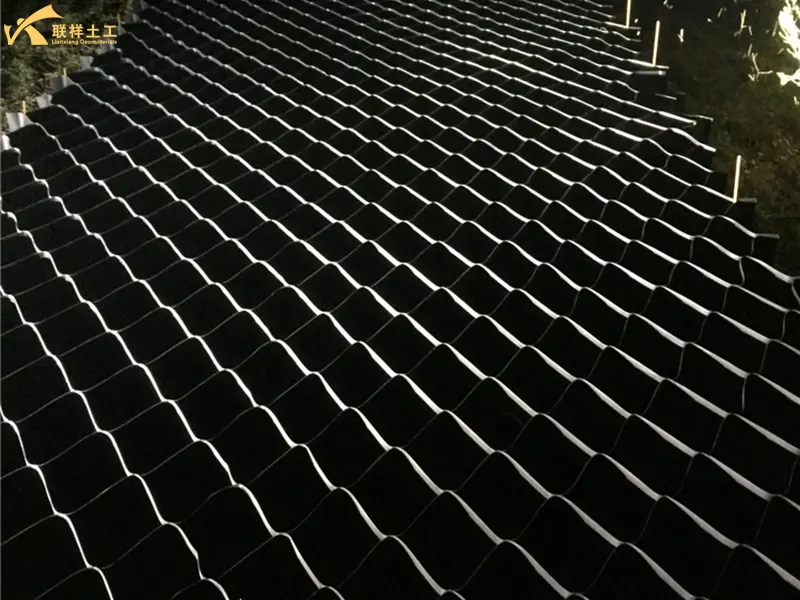
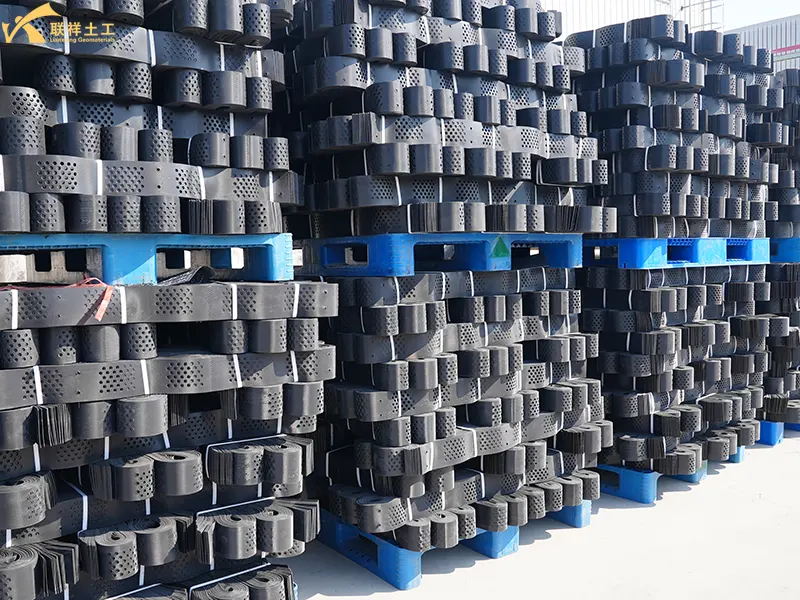
7. Quality Inspection and Acceptance
7.1. Final Acceptance
- Anchor Pull-out Force Test: Randomly select 3%-5% of the anchoring points (focusing on areas with concentrated stress, such as slope tops and roadbed curves). Use a pull-out tester to test the pull-out force. The pull-out force must reach 1.2 times the design value, and there should be no significant displacement (displacement ≤ 2mm) after holding the load for 10 minutes.
- If the sampled points fail, the sampling rate should be doubled; if they still fail, all anchoring points in the area must be reinforced.
- The geocell surface is smooth, without tears, weld defects, or bulging; edges and corners are not warped.
- The pressure plate is tightly fitted to the geocell and the base, without voids or warping; exposed anchor ends are properly treated with anti-corrosion measures (painting/geotextile wrapping), and anti-loosening washers are added to the nuts.
- Anchor points are neatly arranged without omissions; geocell overlaps are firmly anchored without displacement.
7.2. Handling Measures for Non-conforming Items
- Pull-out force not up to standard: Increase the number of anchor points around the non-conforming point, replace with larger-sized anchors or deepen the drilling depth, and retest until it passes.
- Geocell loosening/bulging: Re-tension the defective area, add temporary pressure blocks for fixation, and then increase the anchoring density.
- Pressure plate warping/loose anchors: Replace with larger-sized pressure plates, retighten the anchors with a torque wrench, and add anti-loosening devices after the torque value meets the standard.
- Geocell damage: Repair the damaged area with special geotextile adhesive, and re-anchor after the adhesive has cured.
7.3. Acceptance Precautions
- Acceptance should be carried out after the initial setting of the mortar anchor rods (generally 24 hours) to avoid disturbing the uncured anchor rods.
- Visual inspection and pull-out tests should not be conducted in rainy or windy weather to prevent rainwater from affecting the test results.
- After acceptance, backfilling should be organized promptly to avoid long-term exposure and aging of the geocells.
- The acceptance process should involve the participation of the supervision and design units, and the signed acceptance opinions should be included in the project archives.
8. Three Major Maintenance Measures for Anchorage Locations
8.1. Exposed Anchorage Parts:
- Rust and Corrosion: Inspect metal anchor rods and fasteners (nuts, washers) for severe rust and breakage. For those with coating protection, check for coating peeling.
- Loosening and Detachment: Check by hand or tools for loose fasteners and whether the anchor rod head has detached from the geocell node.
- Deformation: Check for obvious bending or pull-out signs on the anchor rods.
8.2. Geocell Body:
- Joint Integrity: Focus on checking for cracks or detachment at welded joints through which anchor bolts pass.
- Geocell Sheet: Check for stress concentration-induced cracks or enlarged voids in the geocell sheet around the anchor points.
- Local Settlement or Heave: Observe whether abnormal settlement (possibly due to foundation erosion) or heave (possibly due to anchor failure or uneven internal stress) occurs in the geocell units around the anchor points.
8.3. Surrounding Environment:
- Slope Condition: Check for scour ditches, cracks, or localized landslides above and below the anchoring area.
- Vegetation: Check whether vegetation roots are damaging the anchor points or excessively enclosing them, affecting the inspection.
- Drainage System: Ensure smooth slope drainage, preventing prolonged waterlogging of the anchoring area.
Conclusion:
Geocell anchoring is a core process for ensuring structural stability and fulfilling its reinforcement and protection functions. Its core objective is to "firmly transform the flexible geocell network into a controlled composite material structure integrated with the foundation." Therefore, the quality of anchoring directly determines the application effectiveness of geocells in scenarios such as roadbed reinforcement, slope protection, and soft soil treatment. The above are the eight basic steps of standardized geocell anchoring construction compiled by Lianxiang Geotechnical. We hope this explanation will be helpful in your future geocell anchoring work.
Written by
SHANDONG LIANXIANG ENGINEERING MATERIALS CO., LTD.
Kyle Fan
WhatsApp:+86 139 5480 7766
Email:admin@lianxiangcn.com

-
WhatsApp
-
E-MailE-Mail:admin@lianxiangcn.com
-
WeChatWeChat:18554180188