
- Home
- Company
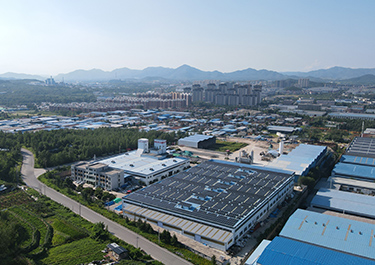 Our FactoryWe have a team of more than 30 talented geotechnical material R&D experts and a 30,000 square meter advanced modern intelligent manufacturing plant.
 - Products
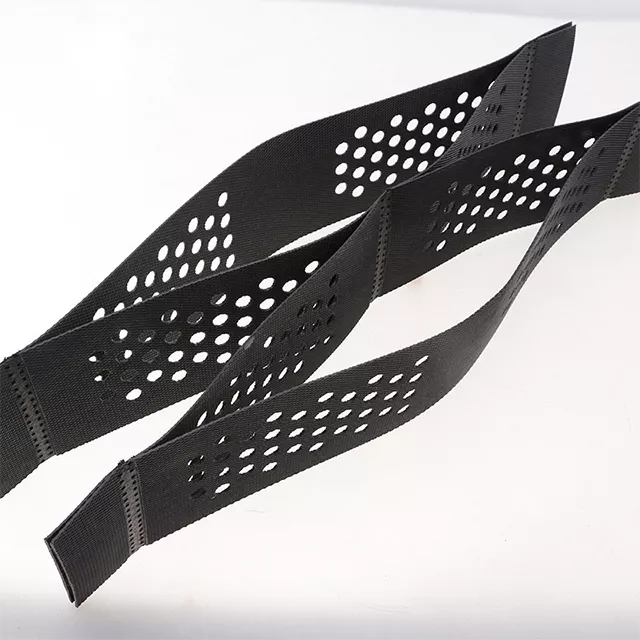 Geocell is a three-dimensional mesh structure made of high-strength polymer sheets (such as HDPE, PP, etc.) through ultrasonic welding. When unfolded, it presents a three-dimensional grid shape.
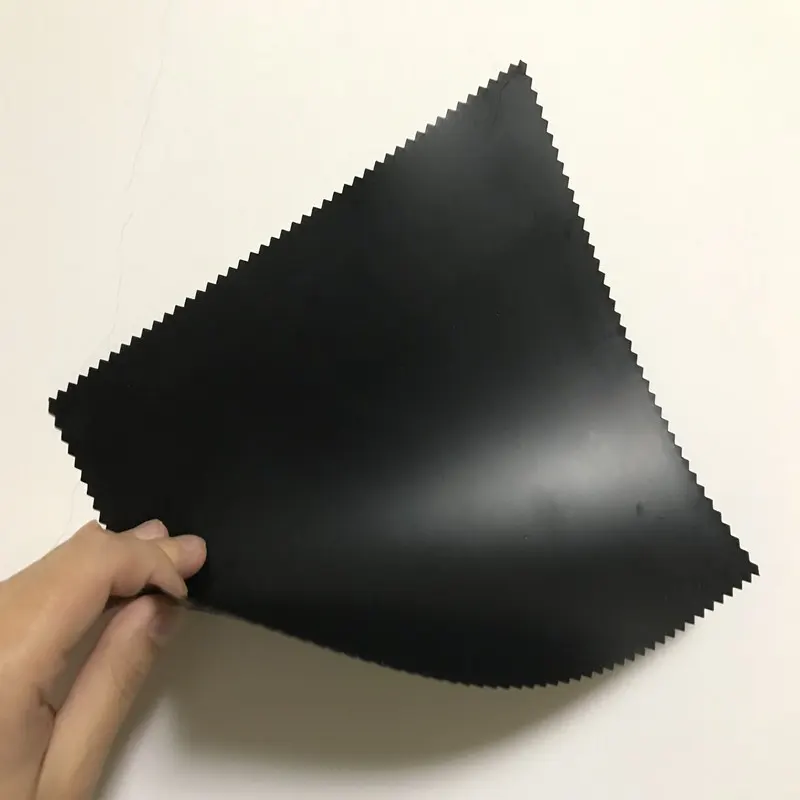 Geomembrane is a thin, extremely low-permeability sheet material made from high-molecular-weight polymers (high-density polyethylene, linear low-density polyethylene).
 - Blog
- Contacts
Geocell River Protection Project Selection Guide: Precise Control of Core Parameters


In river protection engineering, the protection of dikes on both sides of the river is of paramount importance. Geocells play a crucial role in dike protection, serving an irreplaceable function in preventing landslides and ensuring foundation stability. However, the market currently offers a dazzling array of geocell models, specifications, and materials, with varying quality, making it difficult to accurately select the right geocell for a project. Today, Lianxiang Geotechnical will mainly explain the important reference points in the geocell selection guide for river protection projects – the precise control of core parameters.
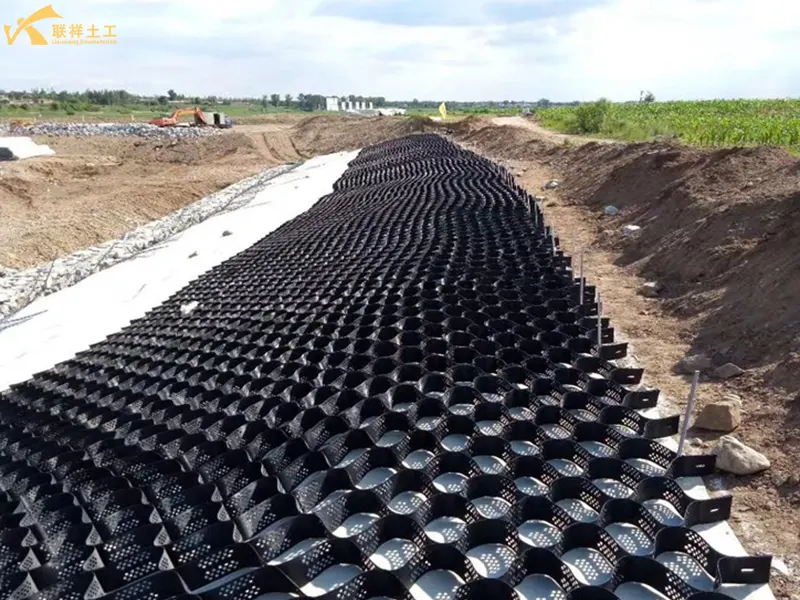
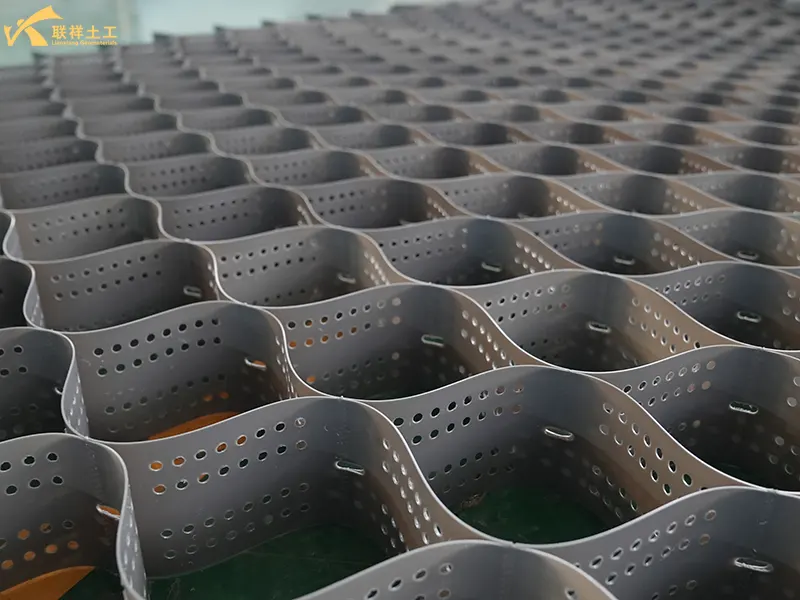
1. Foundation Layer - Mechanical Properties (Determines the Safety Bottom Line)
This is the foundation for the geocell to form a stable structure and is a mandatory indicator that must be met.
1.1. Weld Peel Strength
- The concept of peel strength: The force (unit: N/cm) required to pull apart the weld points of the geocell sheet at a specific speed. It measures the strength of the "skeleton" of the geocell's three-dimensional structure.
- Importance: If the welds are weak, the cell will detach from the weld when subjected to lateral soil pressure or impact from the filler material, causing the entire structural system to fail, degenerating into a thin sheet and losing all reinforcement and protective functions.
- Standard Requirements: National standards (GB/T) or transportation industry standards (JT/T) typically require high-strength cell reinforcement of ≥100 N/cm. For important projects such as river protection, it is recommended to require ≥120 N/cm or even 150 N/cm or higher.
- Testing Methods: Do not rely solely on the manufacturer's type inspection report. Random samples should be taken from each batch of goods upon arrival and sent to a third-party testing agency. After sampling, a simple "tear test" can be performed: forcefully tear the weld; a high-quality cell should stretch and deform or even tear the sheet, rather than the weld easily detaching.
1.2. Unit Ultimate Tensile Strength
- Concept of Tensile Strength: The maximum tensile force (unit: kN/m) that a single cell reinforcement strip (sheet) can withstand when broken.
- Importance: This determines the tensile strength of a single reinforcing strip. On steep slopes or in areas prone to uneven settlement, the reinforcing strips in the cell are subjected to enormous tensile stress; insufficient strength will lead to strip breakage.
- Relationship with Weld Strength: Theoretically, the weld strength should be higher than the unit tensile strength so that failure occurs on the sheet material, rather than the weld detaching—this is the ideal failure mode.
- Selection Recommendation: For river protection, the unit tensile strength should not be lower than 10 kN/m. For high slopes or heavy loads, even higher values, such as 15-25 kN/m, are required.
1.3. Puncture Resistance
- Importance: This is a crucial indicator for lotus pond aquaculture. It reflects the membrane material's ability to resist punctures from lotus roots, stones, shells, and other sharp objects. Insufficient puncture resistance is a common cause of leakage.
- Recommendation: Choose HDPE (high-density polyethylene) membranes with excellent puncture resistance; their performance is typically much higher than that of LDPE (low-density polyethylene) membranes.
1.4. Right-Angle Tear Strength
- Importance: Indicates the membrane material's ability to resist further tearing from a crack. If the membrane material is accidentally torn, high tear strength can prevent the tear from rapidly expanding under stress.
2. Performance Layer - Geometric Dimensions (Determines Protective Effectiveness)
After meeting the basic mechanical performance requirements, the geometric dimensions directly determine the structural stiffness and protective effect of the project.
2.1. Cell Height
- Height: The vertical height of the cell after it is opened (unit: mm).
- Importance: It is the most significant variable affecting the project's effectiveness.
- Impact of Height: The greater the height, the stronger the "three-dimensional frame" effect, the stronger the lateral restraint on the infill material, the greater the overall structural stiffness, and the better the resistance to erosion and deformation. The greater the height, the more infill material is required, and the cost increases accordingly.
- Gentle Slope Ecological Resoil Protection (1:2.0): Commonly used 100mm - 150mm. Mainly serves to stabilize the topsoil and promote vegetation growth.
- Medium slope reinforcement (1:1.5-1:2.0): 150mm - 200mm is recommended. This is the most commonly used range for riverbank protection, effectively resisting water erosion and soil pressure.
- Steep slope reinforcement (1:1.5) or foundation bearing capacity: 200mm, 300mm, or higher specifications must be used. Height is key to providing sufficient anti-sliding moment and foundation bearing capacity.
- Empirical reference: The cell height should be 1.5~2.0 times the maximum particle size of the filler.
2.2. Weld distance
- Explanation of weld distance: The distance between the centers of adjacent weld points in the same direction after the cell is fully deployed (unit: mm).
- Importance: It determines the size and density of the cell unit. The smaller the weld distance, the smaller the cell unit, the higher the density, the more uniform the constraint on the filler, and the better the overall integrity, but the cost is higher. The larger the weld distance, the larger the unit volume, the slightly worse the overall integrity, but the more economical it is.
- General Selection: 400mm ~ 600mm is the most balanced and commonly used range for river protection.
- Matching with Height: Generally, taller cells are paired with larger weld spacing (e.g., 300mm high with 600mm weld spacing), while lower cells are paired with smaller weld spacing (e.g., 100mm high with 400mm weld spacing) to maintain structural rationality.
- Infill Material Determination: If using small-diameter crushed stone or soil, a smaller weld spacing (e.g., 400mm) is recommended for better restraint. If using large stones, a larger weld spacing (e.g., 500mm~600mm) can be used.
3. Strategic Layer - Material and Durability (Determines Lifespan)
This layer determines how many years the project can reliably operate, ensuring long-term benefits.
3.1. Material Type
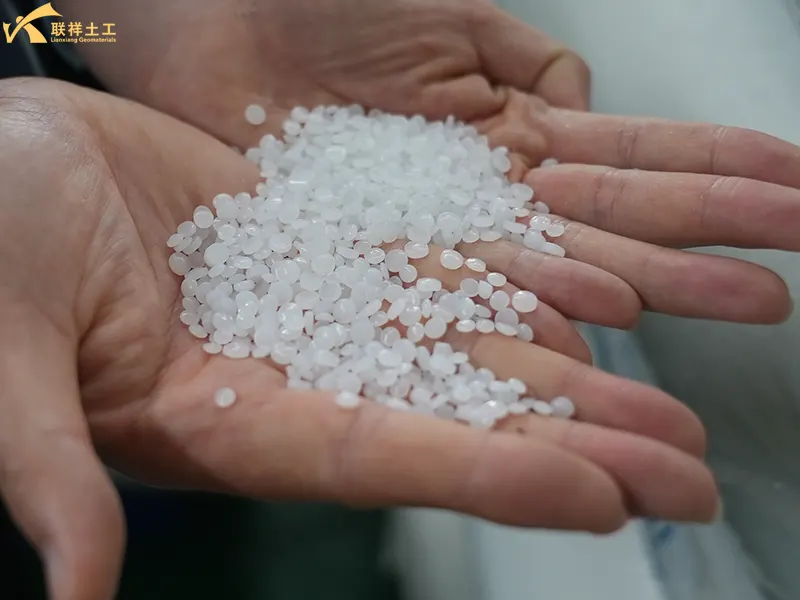
High-Density Polyethylene:
High-density polyethylene has excellent flexibility and very high elongation, making it the default preferred material for river protection.
- High Corrosion Resistance: Resistant to chemicals in soil and water.
- High toughness/impact resistance: Adapts to foundation deformation and is not prone to brittle fracture.
- Excellent resistance to environmental stress cracking: This is a key but often overlooked advantage of HDPE, ensuring it is less prone to cracking under long-term loads.
Polypropylene:
Compared to polyethylene, polypropylene has relatively poor toughness, but it has high hardness and strength, and very high compressive strength, making it suitable for use in high-temperature environments. Therefore, it is only used for temporary, low-importance projects.
3.2. UV resistance (anti-aging) performance
Prolonged exposure of cell blocks to sunlight causes UV rays to damage the polymer chains, leading to brittleness and decreased strength.
- Carbon black content: This is the most crucial indicator. For outdoor HDPE cell blocks, the carbon black content should be between 2% and 3%, and it must be virgin carbon black, evenly dispersed in the masterbatch. Cell blocks made from recycled materials have uneven carbon black dispersion and extremely poor anti-aging effects.
- Testing method: Refer to the test report. Simple Judgment: Break the geocell sheet by hand to expose the interior. The color inside and out should be a uniform jet black. If the interior is grayish, whitish, or has streaks, it may contain recycled materials.
- UV Anti-Additives: High-quality products will also contain chemical UV anti-additives, which work synergistically with carbon black.
3.3. Environmental Stress Cracking Resistance (ESCR)
- Importance: Measures the ability of a plastic material to resist cracking under specific environmental conditions. HDPE resin itself has requirements for this performance; a high ESCR value means the membrane material is more stable in long-term use and less prone to micro-cracks.
4. Related Questions
4.1 How to test the mechanical properties of geocells?
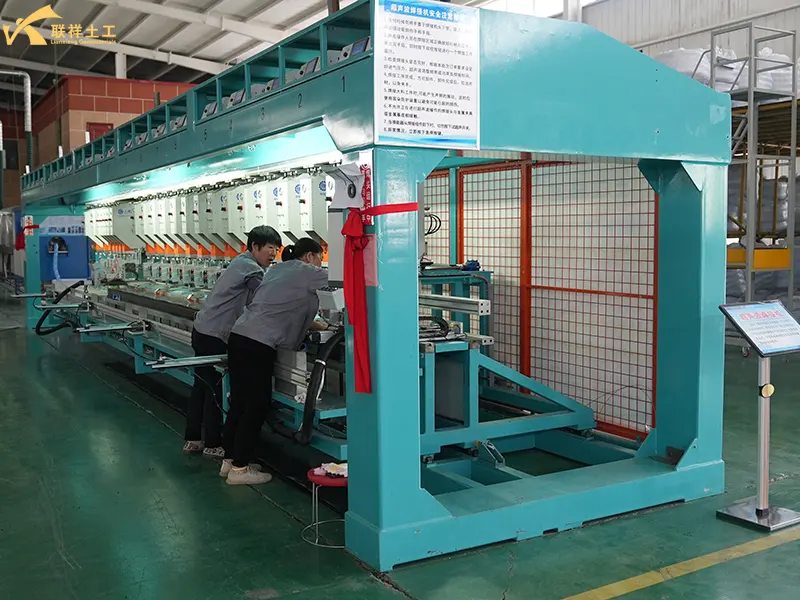
A: Professional testing of the mechanical properties of geocells requires a professional testing institution using precision instruments. For on-site acceptance, a tensile testing method can be used. Lianxiang Geotechnical has professional testing equipment, so all products undergo quality testing and have professional test reports.
4.2 What are the minimum standards for tensile strength and elongation at break of geocells?
A: The minimum standards for Lianxiang Geotechnical's products are: HDPE geocell cell sheet tensile strength per unit width ≥ 220 N/cm, elongation at break ≤ 10%; PP geocell cell sheet tensile strength per unit width ≥ 275 N/cm, elongation at break ≤ 10%.
4.3 Reasons for unqualified geocell weld joints?
A: Unqualified welding process or substandard materials.
4.4 What is the typical thickness of the geocell sheet?
A: Geocell sheet thickness (1.0-2.5 mm). Greater thickness means stronger load-bearing capacity; a balance must be struck between strength and construction flexibility. Correspondingly, greater thickness means higher price. Lianxiang Geotechnical generally recommends the most suitable product based on the specific project requirements.
4.5 What is the minimum standard for the creep performance of geocells?
A: The creep performance of geocells under long-term load must be ≤ 5% to prevent later structural settlement. Lianxiang Geotechnical has extensive experience in controlling creep phenomena through comprehensive testing. Please feel free to contact us for more information.
5. Conclusion
- 5.1. Setting the Tone: Based on the project's importance, high-strength HDPE material was strategically selected, and reports on carbon black content and UV resistance were required.
- 5.2. Ensuring Safety: The procurement contract clearly stipulated the minimum standards for weld peel strength and unit tensile strength (e.g., ≥120 N/cm, ≥15 kN/m), and agreed upon sampling and testing upon arrival, as well as the handling of non-conforming products.
- 5.3. Selecting Efficiency: The cell height was accurately determined based on the slope and load. The weld distance was rationally selected based on the filler material and cost. This is the core of design optimization.
- 5.4. Verification: Upon arrival, the goods were inspected, sampled, and tested. Specifications were verified, appearance and color uniformity were checked, a simple weld tear test was conducted, and samples were sealed for future testing.
Through the above analysis, we have gained a preliminary understanding of the geocell selection guide for river protection projects. In fact, many other factors need to be considered when selecting geocells, such as environmental factors, engineering factors, and price factors. Therefore, we must comprehensively consider all aspects when choosing geocell specifications and models. Today, we have only analyzed the selection criteria from the perspective of precise control of core parameters. In the future, our Lianxiang Geotechnical Technology R&D department will provide more procurement guidelines from other aspects. Only by upgrading from "roughly usable" to "precise control" can we ensure that geocells perform at their best in river protection projects.
Written by
SHANDONG LIANXIANG ENGINEERING MATERIALS CO., LTD.
Kyle Fan
WhatsApp:+86 139 5480 7766
Email:admin@lianxiangcn.com
-
WhatsApp
-
E-MailE-Mail:admin@lianxiangcn.com
-
WeChatWeChat:18554180188