
- Home
- Company
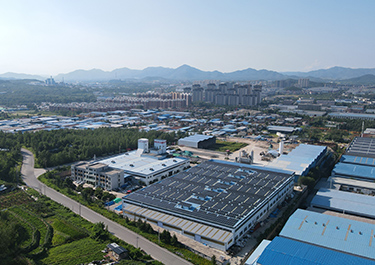 Our FactoryWe have a team of more than 30 talented geotechnical material R&D experts and a 30,000 square meter advanced modern intelligent manufacturing plant.
 - Products
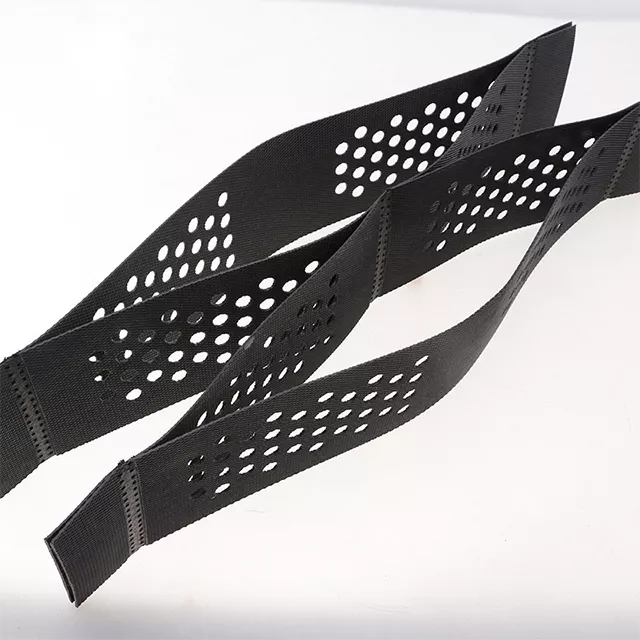 Geocell is a three-dimensional mesh structure made of high-strength polymer sheets (such as HDPE, PP, etc.) through ultrasonic welding. When unfolded, it presents a three-dimensional grid shape.
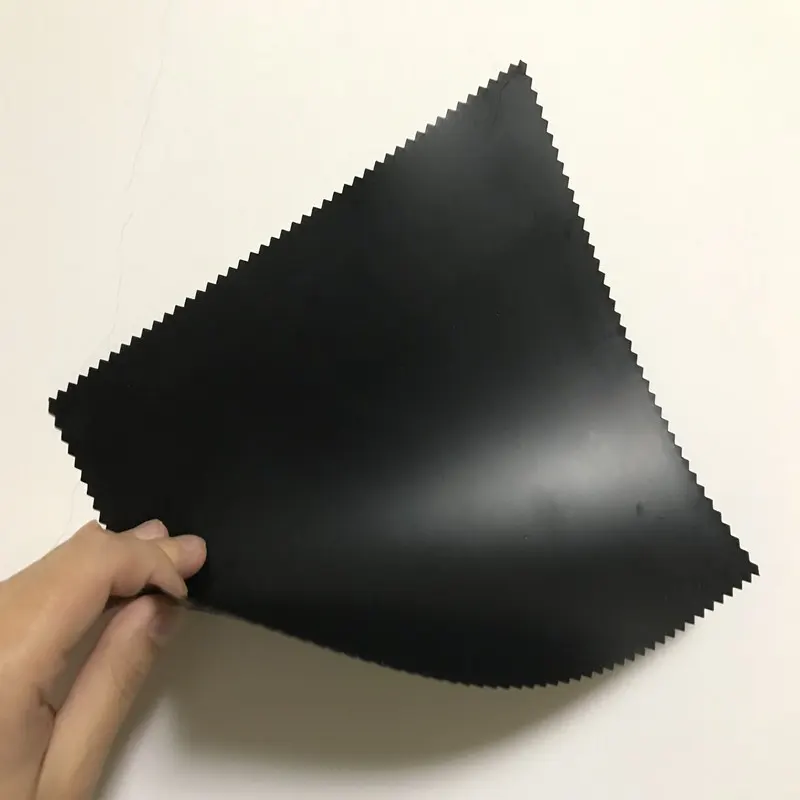 Geomembrane is a thin, extremely low-permeability sheet material made from high-molecular-weight polymers (high-density polyethylene, linear low-density polyethylene).
 - Blog
- Contacts
Four Common Problems in Repairing Geomembranes in Lotus Ponds


Repairing the geomembrane in lotus pond aquaculture is indeed a technical task, requiring different approaches depending on the situation. Based on your question, I have summarized four common core issues in repair and listed corresponding solutions, hoping to help you systematically address various damage conditions.
1. Three Perfect Fusion Methods for Integrating New and Old Geomembranes in Lotus Pond Aquaculture
When maintaining and repairing geomembranes in lotus pond aquaculture, damage to the membrane necessitates the integration of the new and old membranes. This is a very difficult task, as it's known that complete fusion between new and old membranes is challenging, and leaks easily occur at the joints. Below, we will explain three perfect fusion methods for integrating new and old geomembranes in lotus pond aquaculture.
1.1. Welding Method
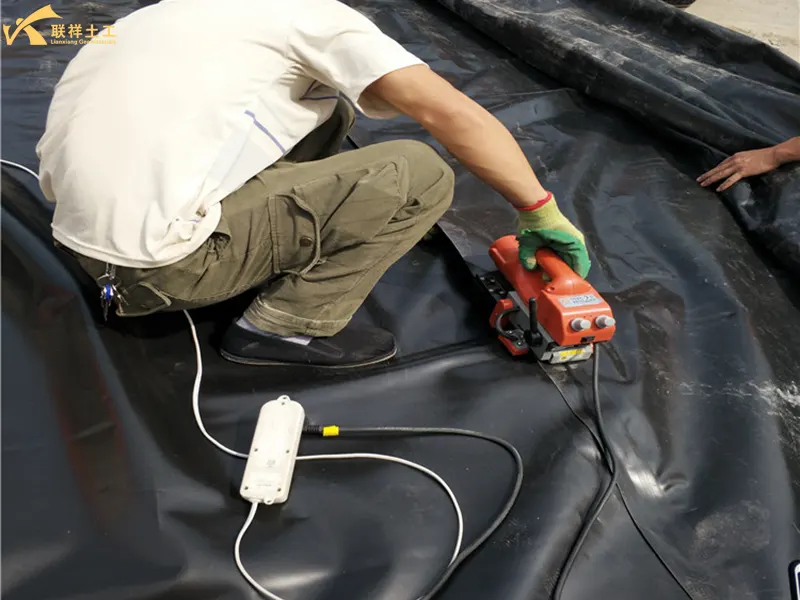
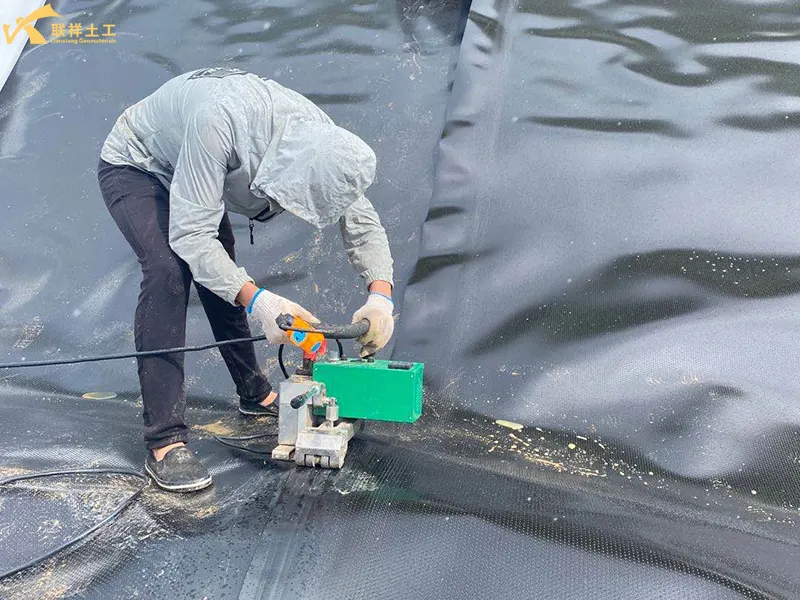
Manual welding is performed using a double-track crawling welding machine. This method is suitable for large-area geomembranes used in fish and shrimp aquaculture where the joints are clean (free of oil and dust) and neat. The geomembrane substrate should also be slightly thicker. During welding, strict requirements are placed on the welding machine's operating temperature and travel speed. The geomembrane is prone to jamming the machine, forming wrinkles, resulting in uneven welds, slippage, missed welds, excessive welding weight, or weak welds, easily leading to seepage points.
1.2. Adhesive Bonding Method
Manual bonding is performed using geomembrane-specific adhesives, fish glue, KS hot melt adhesive, etc. This method is mainly used for small-area repairs and areas where welding machines are difficult to operate. The bonding quality depends on the type of adhesive. Construction should be avoided on rainy or windy days to ensure the joints are dry and clean. Manual pressing is required during bonding. Uneven adhesive application, insufficient pressing, or uneven overlap between the two membranes can lead to gaps and blind spots, resulting in leaks. This method is prone to delamination after prolonged water immersion, and the seepage prevention effect is not ideal.
3. Folding Method
The joint area of the geomembrane for fish and shrimp farming is cleaned manually. Then, the two membranes are folded two or three times with a certain width offset. This method is suitable for projects with lower seepage prevention requirements. It can also be used for connecting two fabrics and one membrane without folded edges. This method is simple to construct, but the water-blocking effect is poor. It is not suitable for projects with requirements for preventing sewage leakage. The above conventional connection methods cannot guarantee the tensile strength and seepage prevention design requirements between the new and old geomembranes.
These are the three perfect integration methods for combining old and new geomembranes in lotus pond aquaculture. We hope this will be helpful for future maintenance of geomembranes in lotus ponds.
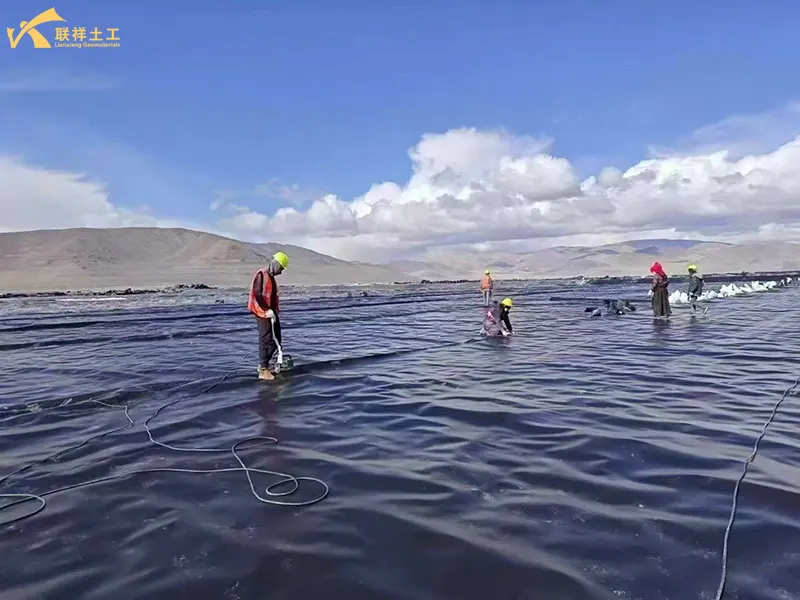
2. Four Basic Principles of Lotus Pond Geomembrane Repair
When repairing lotus pond geomembranes, it is essential to follow the correct installation steps and standards. This is mainly because the initial investment for each repair is substantial, requiring prior cleaning of the pond. Below, we will mainly explain the four basic principles of the lotus pond geomembrane repair process.
- 2.1. Selection of Repair Materials for Lotus Pond Geomembranes. The repair material should be the same as or similar to the original geomembrane material. Using leftover geomembrane is ideal. If no leftover geomembrane is available, at least choose a material with similar texture, softness, and ductility for better compatibility during later use.
- 2.2. Determining the repair scope of the geomembrane for lotus root cultivation. Do not repair according to the existing damaged area. Instead, repair from the current damaged area outwards within a radius of approximately 30 centimeters. This reduces the chance of leakage and prevents derailment during later stretching.
- 2.3. Determining the area to be removed from the damaged area. If the damaged area of the geomembrane for lotus root cultivation exceeds one-tenth of the original area, the damaged area should be removed. Do not continue repairing in the original location.
- 2.4. Construction workers repairing the geomembrane for lotus root cultivation should wear soft clothing and shoes. Pay attention to the use of tools. Workers should not smoke, as falling ash can easily cause a fire.
These are the four basic principles for the repair process of geomembranes for lotus root cultivation. Hopefully, this will be helpful for everyone when repairing geomembranes for lotus root cultivation in the future.
3. Five Common Problems in Welding Geomembrane for Lotus Pond Aquaculture
Welding geomembranes for lotus pond aquaculture requires a high level of technical skill. This is mainly because the geomembranes used in lotus pond aquaculture are generally thinner, usually less than 0.3mm. These membranes are very prone to weld breakage during welding. In other words, if the welding machine speed is not properly controlled, it will not weld properly if too fast, and will create holes if too slow. Therefore, a high level of experience is required. Below, we will explain five common problems in welding geomembranes for lotus pond aquaculture.
- 3.1. The geomembrane is laid along the required orientation. Both sides of the geomembrane must have a pre-embedded PE film and PET non-adhesive layer. During laying, the orientation of each geomembrane module must be adjusted to facilitate welding between the two geomembrane modules.
- 3.2. After the geomembrane is laid, it must be weighed down with sandbags to prevent wind movement. The edges and joints must be free of waste, moisture, dust, etc.
- 3.3. Before welding, adjust the two PE single-layer membranes at the joint to ensure the required overlap width, and that they are flat and wrinkle-free.
- 3.4. Welding should be performed by experienced technicians using a specialized automatic welding machine. Temperature and speed should be properly adjusted (adhesive bonding is also possible).
- 3.5. Based on years of practical experience, the geomembrane thickness should not be less than 0.25mm. Too thin a membrane may cause air holes and is easily damaged on-site, reducing the waterproofing effect. During geomembrane construction, it is crucial to ensure the membrane is not laid too tightly, avoids wrinkles, and is securely joined. Strict adherence to technical standards is essential, with quality control implemented at four stages: preparation, laying, joining, testing, and backfilling.
These are the five common problems encountered in welding geomembranes for lotus pond aquaculture. We hope this information will be helpful when welding geomembranes for lotus pond aquaculture in the future.
4. Basic Methods for Inspecting the Construction Quality of Geomembranes in Lotus Pond Aquaculture
When inspecting the construction quality of geomembranes in lotus pond aquaculture, the main aspects are leakage detection and pressure testing. Pressure testing is often conducted in a laboratory, so on-site inspection mainly involves leakage testing. Below, we will explain the basic methods for inspecting the construction quality of geomembranes in lotus pond aquaculture.
- 4.1. After the welding or bonding of the geomembrane in the lotus pond aquaculture, construction personnel should conduct real-time inspections of the welding or bonding quality to effectively assess its quality effect. A common method is visual inspection, mainly involving inspecting and analyzing each joint to understand its specific condition and avoid adverse effects caused by leakage.
- 4.2. To effectively avoid the impact of the concrete pouring process on the geomembrane in the lotus pond aquaculture, it is necessary to combine the specific process and key quality control standards of the channel water-saving renovation project. After the geomembrane construction is completed, the reserved portion should be wrapped with plastic sheeting to maintain the rationality and standardization of the protection work and to minimize the risk of contamination.
The above are the basic methods for testing the construction quality of geomembranes in lotus pond aquaculture. It is hoped that the above explanation will be helpful to everyone when conducting engineering quality testing of geomembranes in lotus pond aquaculture in the future.
Written by
SHANDONG LIANXIANG ENGINEERING MATERIALS CO., LTD.
Kyle Fan
WhatsApp:+86 139 5480 7766
Email:admin@lianxiangcn.com
-
WhatsApp
-
E-MailE-Mail:admin@lianxiangcn.com
-
WeChatWeChat:18554180188