
- Home
- Company
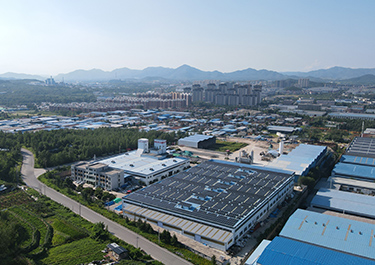 Our FactoryWe have a team of more than 30 talented geotechnical material R&D experts and a 30,000 square meter advanced modern intelligent manufacturing plant.
 - Products
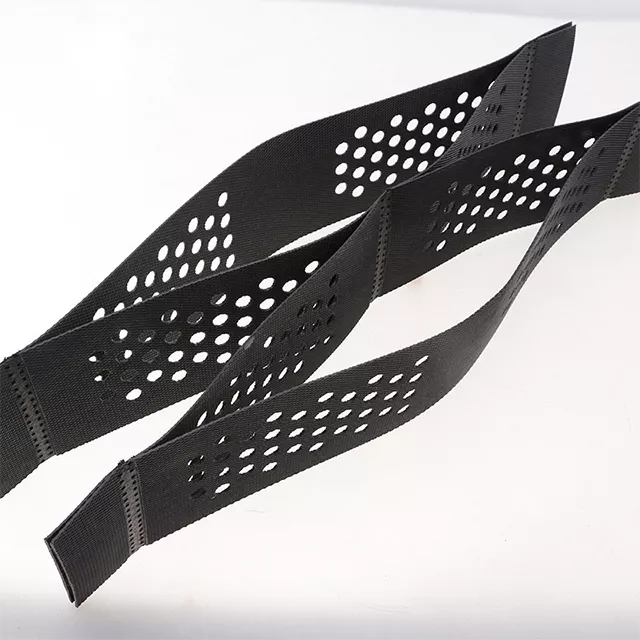 Geocell is a three-dimensional mesh structure made of high-strength polymer sheets (such as HDPE, PP, etc.) through ultrasonic welding. When unfolded, it presents a three-dimensional grid shape.
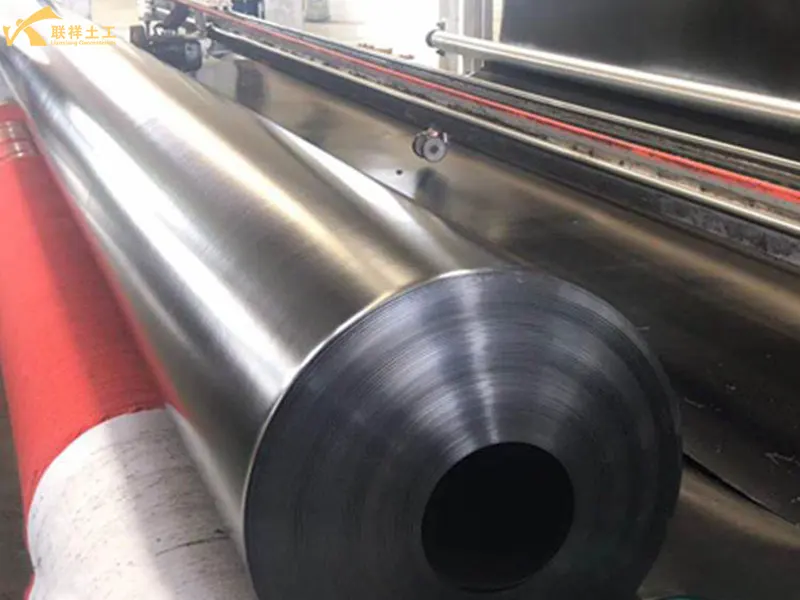
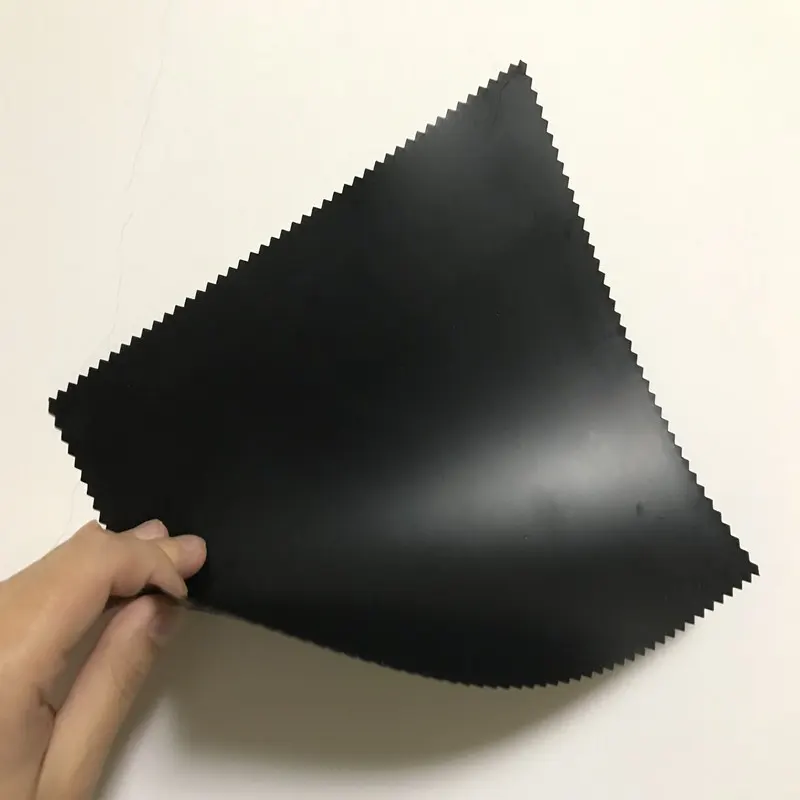 Geomembrane is a thin, extremely low-permeability sheet material made from high-molecular-weight polymers (high-density polyethylene, linear low-density polyethylene).
 - Blog
- Contacts
Specific methods for electrode testing during the construction and acceptance of impermeable geomembranes


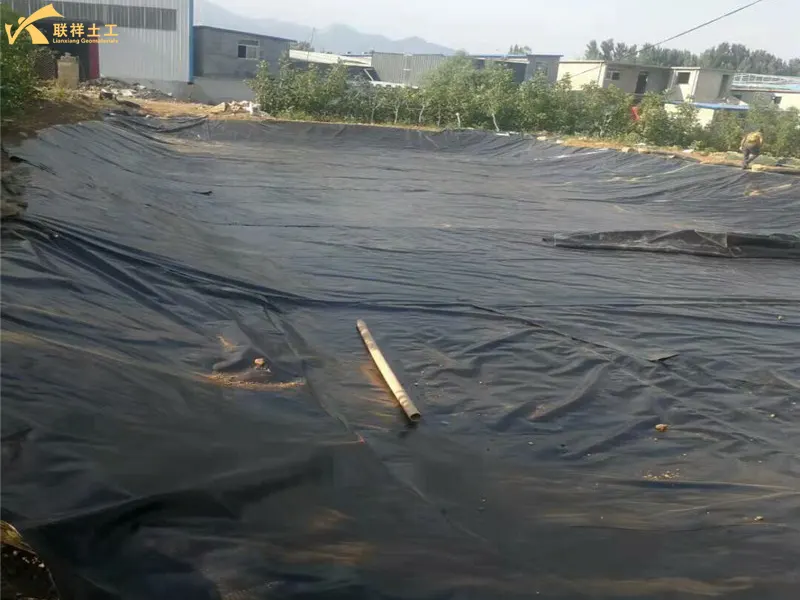
Electrode testing, typically referring to the spark test or pressurized electrode method, is used in the acceptance testing of geomembranes to detect damage and voids in the membrane material. The core of electrode testing is utilizing the insulating properties of the geomembrane to create a circuit through a high-voltage pulse, locating membrane damage and leaks. This is a crucial step in the construction acceptance process. Today, Lianxiang Geotechnical will explain the specific methods of electrode testing for geomembrane construction acceptance.
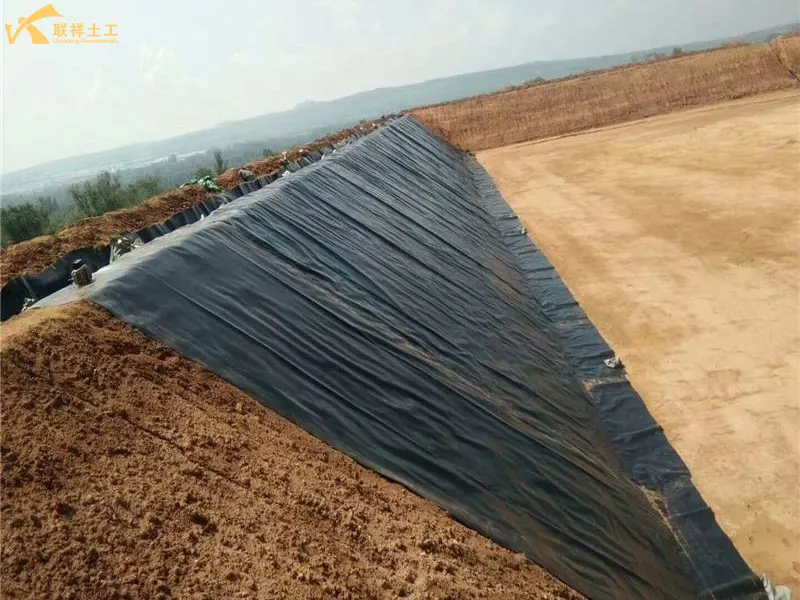
1. Testing Principle:
The geomembrane is an insulating material. During testing, a high-voltage pulse is applied to the membrane surface, while a conductive medium (such as moist soil, sand, or conductive cloth) is laid underneath and grounded. If the membrane is undamaged, the high voltage cannot form a circuit, and the instrument will not alarm. If a leak/damage exists, the current will be conducted through the damaged area to the grounding electrode via the conductive medium, and the instrument will immediately issue an audible and visual alarm, accurately locating the damage point.
2. Main Application Scenarios:
- 2.1. Geomembrane Exposure Laying Stage (Before Covering): This is the most effective and economical testing time. It is used to detect mechanical damage, burns, tears, etc., that occur during the laying and welding process.
- 2.2. After the geomembrane protective layer is laid: After laying the covering layer such as sand or geotextile, special electrodes (such as "drag-and-drop" or "grid" electrodes) can be used for testing to verify whether the covering construction has caused new damage.
3. Specific Operating Steps
3.1. Preparation (Core: Ensure the testing environment and equipment meet standards)
3.1.1. Site Condition Preparation
- The geomembrane has been laid and welded (joints need to be cooled to room temperature), and the membrane surface is free of debris, oil, and standing water (dampness can cause false alarms; it needs to be wiped dry or air-dried).
- The underlying layer (such as compacted soil or sand layer) needs to be moistened (to improve conductivity), or a conductive cloth/metal mesh (suitable for dry underlying layers) should be laid and connected to the negative terminal of the testing instrument via a grounding wire.
- Divide the testing area (divided according to each membrane panel or construction section to avoid omissions), and mark the joint locations, corners, edges, and other key testing areas.
3.1.2. Equipment Preparation and Debugging
- Core Equipment:1 High-voltage pulse detector (electrode detector), equipped with a rolling electrode (for large-area testing) and a probe electrode (for precise positioning), voltage range 5-30kV (adjustable).
- Auxiliary Equipment: Grounding wire, grounding electrode (metal rod, inserted ≥30cm into the underlayer), insulating gloves, marking pen, measuring tape, blower (for drying the film surface).
- Equipment Debugging: After powering on, calibrate the voltage and set parameters according to the film thickness (key parameters are shown in the table below). Ensure the instrument's audible and visual alarm functions are normal and that the electrode rolls smoothly without jamming.
| Geomembrane Thickness (mm) | Recommended Testing Voltage (kV) | Electrode Movement Speed (m/min) | Testing Coverage Overlap Rate |
| 0.5-1.0 | 5-10 | ≤5 | ≥10% |
| 1.0-2.0 | 10-20 | ≤4 | ≥10% |
| 2.0-3.0 | 20-30 | ≤3 | ≥15% |
| ≥3.0 | 30 (not exceeding the instrument's upper limit) | ≤2 | ≥15% |
3.2 Formal Testing Operation (Divided into Large-Area Scanning and Key Verification)
3.2.1 Grounding Connection
- Connect the negative terminal of the testing instrument to the grounding electrode under the membrane through the grounding wire, ensuring that the grounding resistance is ≤10Ω (poor grounding will cause testing failure).
- Operators should wear insulated gloves and shoes to avoid direct contact with electrodes and high-voltage parts.
3.2.2. Large-Area Scanning Inspection
- Use a rolling electrode to move at a constant speed along the membrane surface, parallel to the membrane's laying direction. Adjacent scanning zones must overlap (as required in the table above) to ensure no blind spots.
- Key scanning areas: membrane seams (including thermowelded seams, extruded weld seams, and overlaps), edge trimmings, corners, and areas at risk of puncture damage (such as around pipelines and near anchoring trenches).
3.2.3. Precise Location of Damage Points
- When the instrument issues an audible and visual alarm, immediately stop moving and mark the alarm area.
- Replace the probe electrode and slowly move it within the alarm area to find the strongest alarm point (i.e., the damage center). Clearly mark it with a marker pen (circling and numbering is recommended for easy subsequent repair).
3.3 Result Judgment
- 3.3.1. Acceptable Standard: No alarms during continuous testing, or no abnormalities detected after repair and re-inspection of alarm points, indicates that the membrane integrity is acceptable.
- 3.3.2. Unacceptable Conditions: Unrepaired damage or leaks exist, or alarms still occur after repair and re-inspection (possibly due to incomplete repair or omission of damaged points).
3.4. Subsequent Handling
3.4.1. Damage Repair:
Repair according to the geomembrane construction specifications. Common methods:
- Small damage (diameter ≤ 5cm): Use a circular patch (diameter ≥ 3 times the damaged area) and heat-melt weld it.
- Large damage (diameter > 5cm): Use a rectangular patch with a ≥ 10cm overlap around the perimeter and heat-melt weld it.
- Joint damage: Cut off the damaged section and re-weld it, with a weld width ≥ the original joint width.
3.4.2. Re-inspection:
After repair, conduct electrode testing again on the repaired area and a 50cm radius around it to ensure there is no secondary damage or omission.
4. Acceptance Standards
- Zero Tolerance Principle: During final acceptance, no detectable damage should be found through standardized electrode testing (i.e., all found damage has been repaired and passed re-inspection).
- The test report should fully record: testing scope, instrument model used, testing voltage, environmental conditions, testing personnel, number and location of found damage, repair records, re-inspection results, etc.
5. Advantages of Electrode Testing
5.1 Precisely Identifies Hidden Defects, Eliminating Leakage Risks at the Root Cause
- 5.1.1 Detection Accuracy Covers "Micro-Defects": Hidden defects such as pinholes (diameter ≥ 0.1mm), membrane tensile damage, and incomplete/missing welds in hot-melt joints, which are invisible to the naked eye, can be quickly identified through a high-voltage electric field (5-15kV)—when the electrode approaches the defect, the electric field breaks down the air, creating an electric spark, accompanied by an audible and visual alarm, achieving "zero missed detections."
- 5.1.2. Addressing Core Seepage Prevention Needs: 80% of seepage prevention project failures stem from minor damage or joint defects. Electrode testing can identify these hidden dangers during the acceptance phase, preventing major accidents such as groundwater pollution, water loss, and structural corrosion caused by leakage during later operation.
5.2. High Efficiency and Speed, Adapting to On-Site Project Pace
- 5.2.1. High Testing Efficiency: Rolling electrodes enable large-area continuous testing at a speed of 0.3-0.5 m/s, allowing for 1000-2000 m² testing per day (depending on site conditions), far exceeding manual visual inspection (approximately 300-500 m²/day), significantly shortening the acceptance cycle.
- 5.2.2. Low Operational Threshold: No complex training is required. Construction personnel only need to master "membrane thickness-voltage matching" and "electrode spacing control" to operate the equipment. The equipment is lightweight (handheld/trolley type), suitable for complex construction scenarios such as fieldwork and high-altitude work.
- 5.2.3. Targeted Testing in Key Areas: The needle electrode can precisely focus on high-risk areas such as joints, membrane edges, and mechanically compacted areas, achieving "comprehensive coverage + focused reinforcement," avoiding the "extensive screening" of traditional testing.
5.3. Objective and Traceable Results, Meeting Engineering Acceptance Standards
- 5.3.1. No Subjective Judgment Errors: The test results are based solely on "audible and visual alarms," unaffected by operator experience or visual fatigue, ensuring fair and impartial acceptance results.
- 5.3.2. Compliant with Industry Standards: Fully compatible with national standards such as the "Technical Specification for Application of Geosynthetics" (GB/T 50290-2014) and the "Technical Specification for Anti-seepage Engineering," the test data can be directly used as the basis for project acceptance filing and quality accountability.
- 5.3.3. Closed-Loop Management: Defect locations can be marked in real time, and targeted re-inspections can be conducted after repairs, forming a quality closed loop of "detection-marking-repair-re-inspection," facilitating subsequent project record keeping.
5.4 Cost Reduction and Efficiency Improvement, Reducing Post-Construction Maintenance Costs
- 5.4.1. Avoiding Rework Losses: If defects are missed during acceptance testing, subsequent leak repair requires excavation of the cover layer and demolition of surrounding structures, costing 10-20 times more than repairs during the acceptance phase (e.g., landfill leak repair costs can reach hundreds of yuan/㎡). Electrode testing can eliminate potential problems during the acceptance stage.
- 5.4.2. Extending Project Service Life: Precise inspection ensures membrane integrity, reducing the erosion of the membrane by leaks (e.g., landfill leachate, acid and alkali waste liquids), extending the service life of the anti-seepage system by 5-10 years, and reducing long-term operation and maintenance costs.
5.5. Wide Applicability, Adaptable to Different Engineering Scenarios
- 5.5.1. Compatible with Multiple Membrane Materials and Thicknesses: It can test mainstream geomembranes such as HDPE, LDPE, and PVC, and is compatible with different thicknesses from 0.3-2.0mm, meeting the testing needs of different projects such as landfills, reservoirs, artificial lakes, and tailings ponds.
- 5.5.2. Adaptable to complex construction environments: Testing can be performed when the membrane surface is dry, unaffected by low temperatures (above -10℃) or outdoor sandstorms, making it more suitable for projects with tight schedules compared to water pressure testing (which requires water injection and is time-consuming).
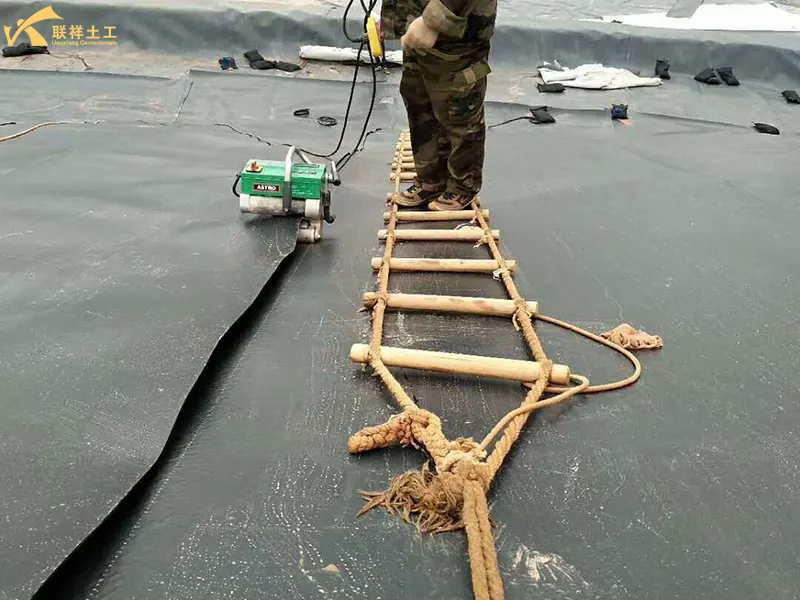
6. Key Precautions
- 6.1. Testing must be conducted on a dry, dust-free, and oil-free membrane surface. Operation is strictly prohibited in rainy weather or when the membrane surface is damp (this may lead to widespread false alarms).
- 6.2. The voltage setting must match the membrane thickness. Too low a voltage will fail to detect small damage, while too high a voltage may puncture the membrane (especially thin membranes).
- 6.3. Testing at joints must cover the weld seam and a 5cm radius on both sides to avoid leakage caused by incomplete or faulty welds.
- 6.4. Protect the membrane during testing to prevent scratches from sharp electrode parts (rolling electrodes must be kept clean and burr-free).
- 6.5. Complete the record: Fill out the "Geomembrane Integrity Testing Record Form," indicating the testing area, damage location, quantity, repair status, and re-inspection results. This will serve as acceptance documentation.
Through the above systematic electrode testing method, the integrity and seepage prevention reliability of geomembrane projects can be effectively guaranteed, meeting the stringent requirements of construction acceptance. Hopefully, the above explanation will be helpful for you when inspecting geomembrane projects in the future. If you have any related questions, please feel free to call Lianxiang Geotechnical Engineering.
Written by
SHANDONG LIANXIANG ENGINEERING MATERIALS CO., LTD.
Kyle Fan
WhatsApp:+86 139 5480 7766
Email:admin@lianxiangcn.com
-
WhatsApp
-
E-MailE-Mail:admin@lianxiangcn.com
-
WeChatWeChat:18554180188