
- Home
- Company
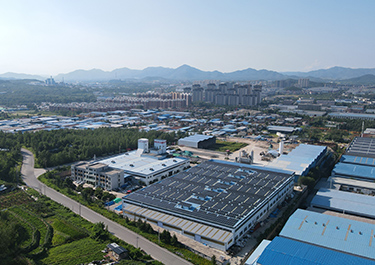 Our FactoryWe have a team of more than 30 talented geotechnical material R&D experts and a 30,000 square meter advanced modern intelligent manufacturing plant.
 - Products
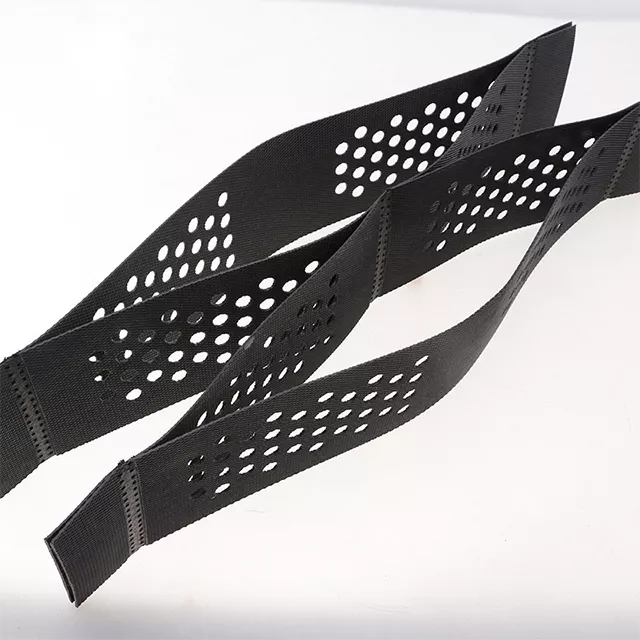 Geocell is a three-dimensional mesh structure made of high-strength polymer sheets (such as HDPE, PP, etc.) through ultrasonic welding. When unfolded, it presents a three-dimensional grid shape.
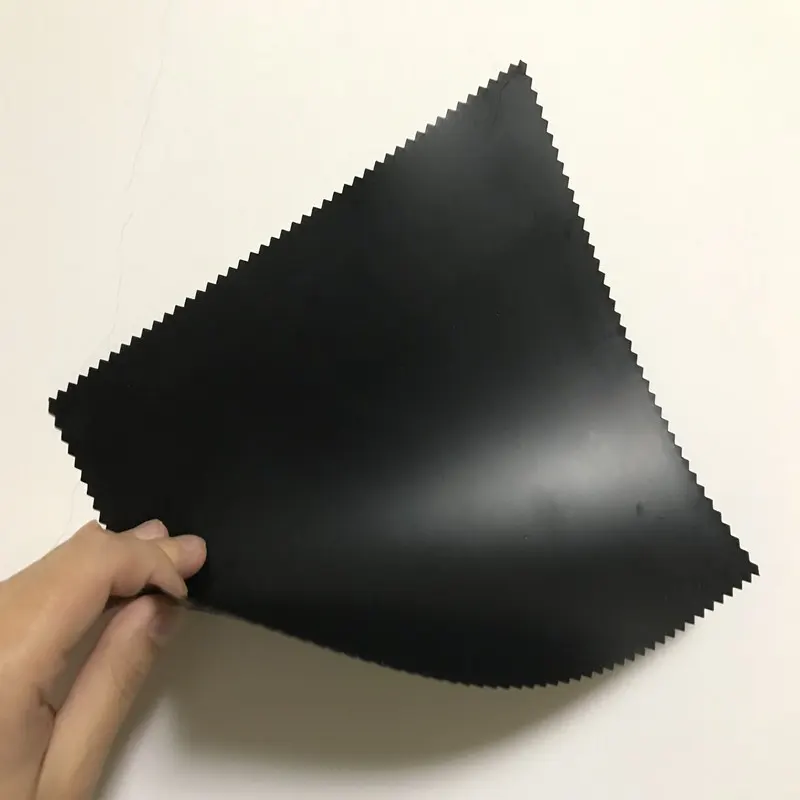 Geomembrane is a thin, extremely low-permeability sheet material made from high-molecular-weight polymers (high-density polyethylene, linear low-density polyethylene).
 - Blog
- Contacts
4 Fundamental Principles for Enhancing the Impermeability of Fish Pond Liners


In modern aquaculture, the anti-seepage treatment of fish ponds is a critical factor determining the success and economic viability of farming operations. The use of impermeable liners (geomembranes) for pond-bottom protection has become the preferred solution for many aquaculturists due to their exceptional anti-seepage properties and relatively simple installation methods. However, in practice, many industry professionals fall prey to the misconception that "simply laying down the liner solves everything once and for all." This leads to problems—such as leaks, damage, or even total project failure—caused by improper material selection, inadequate foundation preparation, or neglected construction details, resulting in significant economic losses.
In reality, achieving a truly long-lasting and stable anti-seepage effect with impermeable liners requires more than just simple installation; it demands a systematic engineering approach encompassing materials, foundation preparation, construction, and maintenance. This article outlines four fundamental principles for enhancing the anti-seepage performance of fish pond liners, helping you control quality at the source and construct a solid, reliable "waterproof barrier" for your fish ponds.
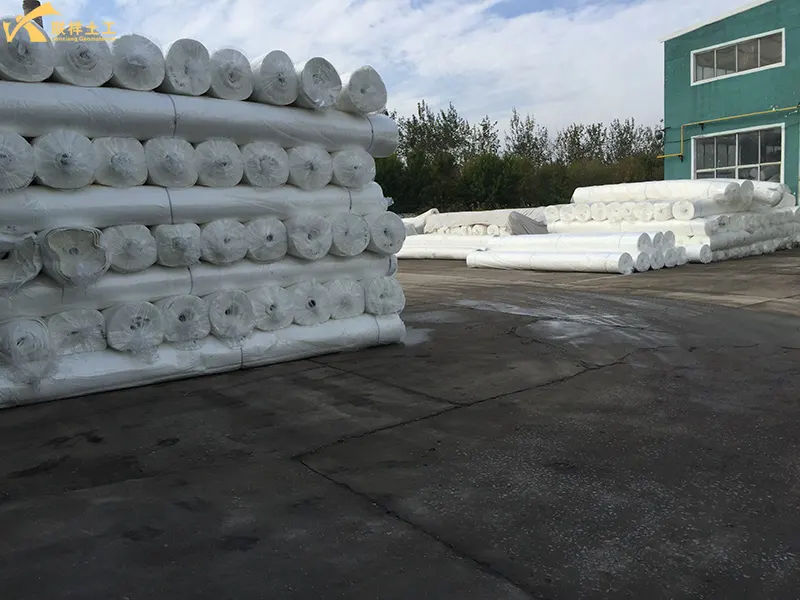
1. Six Key Methods for Enhancing the Impermeability of Fish Pond Liners
Research into strengthening the anti-seepage performance of fish pond liners has been ongoing for many years. Through the collective efforts and insights of the Lianxiang manufacturing and construction teams, we have achieved significant improvements in the anti-seepage effectiveness of our liners. From refinements in raw material formulations to innovations in construction techniques, every stage of the process reflects the dedication and hard work of our staff. Below, we present five key methods designed to elevate the anti-seepage performance of fish pond liners to the next level.
- 1.1. The contact surface between the Lianxiang fish pond liner and its supporting substrate must be kept as smooth and level as possible to prevent the liner from being punctured and losing its anti-seepage function. If a smooth surface cannot be achieved, a protective cushion layer (e.g., fine-grained material) should be installed to shield the liner from damage.
- 1.2. Typically, in corners or irregularly shaped areas of the pond, the length of seams should be minimized, and—wherever possible—the creation of welded joints should be avoided entirely.
- 1.3. Connection of the Geomembrane Itself: There are three primary methods for connecting the geomembrane sheets: bonding, welding, and vulcanization. The specific method chosen depends on the raw materials used in the geomembrane's manufacture. The impermeability of all connection seams must be rigorously inspected to prevent leakage caused by improper joining.
- 1.4. Connection to Surrounding Boundaries: The geomembrane must be tightly integrated with the surrounding boundaries of the fish pond. During construction, anchor trenches can be excavated in the foundation and embankment slopes to facilitate this connection. If the foundation consists of a shallow, permeable sand and gravel layer, this material should be excavated down to the bedrock, after which a concrete base is poured to anchor the geomembrane securely within the concrete structure. If the foundation consists of an impermeable clay layer, an anchor trench approximately 2 meters deep and 4 meters wide can be excavated; the geomembrane is then placed within this trench, followed by the dense backfilling of clay.
- 1.5. Handling Deep, Permeable Foundations: If the foundation consists of a deep, permeable sand and gravel layer, an impermeable geomembrane "blanket" (or lining) method may be employed. The required length of this blanket is determined through engineering calculations. The area to be covered by the blanket must be leveled, and a transition layer—approximately 30 cm thick with a maximum grain size of 20 mm—must be laid down. Similarly, a filter layer must be placed directly over the geomembrane, followed by the addition of a protective layer. The perimeter of the geomembrane blanket must be tightly integrated with the impermeable layers of the embankment slopes on both sides. The specific method for connecting the geomembrane to the anchor trench is determined based on the permissible contact seepage gradient between the geomembrane and the concrete structure.
- 1.6. Post-Installation Precautions: Once the installation of the fish pond geomembrane is complete, walking on the membrane surface or moving tools across it should be minimized as much as possible. Any object capable of causing damage to the geomembrane must not be placed upon the surface or carried while walking across it, in order to prevent accidental punctures or other forms of damage to the membrane.
The six methods outlined above have been summarized by Lianxiang Company as effective strategies for enhancing the impermeability of fish pond geomembranes. We hope this information proves helpful to you. Tai'an Lianxiang Geotextile specializes in the professional manufacturing of fish pond geomembranes and possesses extensive experience in their installation. If you require further information or have any inquiries, please do not hesitate to contact us.
2. Six Key Advantages of Fish Pond Anti-Seepage Liners
Through years of accumulated experience and the resolution of issues encountered during the application of Lianxiang anti-seepage liners for fish and shrimp farming, extensive technical improvements have finally culminated in the successful experimentation and production of a new generation of anti-seepage liners. The advantages of this new fish pond liner are remarkably evident. Today, we will provide a detailed explanation of the six major advantages offered by this new product.
- 2.1. Extremely strong UV resistance. It possesses excellent resistance to high-temperature aging and oxidation, allowing it to withstand direct sunlight exposure over the long term.
- 2.2. Lianxiang fish pond anti-seepage liners feature excellent weldability; they can be joined using hot-air or hot-wedge welding techniques, facilitating convenient and efficient installation.
- 2.3. High tensile strength and tear resistance. It demonstrates exceptional puncture resistance, even when installed over rough or hard substrate surfaces.
- 2.4. Possesses outstanding resistance to chemical corrosion, as well as resistance to high-temperature aging and oxidation, enabling it to withstand prolonged exposure to direct sunlight.
- 2.5. Its resistance to plant root penetration fully complies with the specifications outlined in Chapter 1 of the DIN 4062 standard.
- 2.6. Lianxiang anti-seepage liners for fish and shrimp farming are available in two surface finishes: smooth and textured. Utilizing imported technology, the textured version features a specially roughened surface treatment that provides a high coefficient of friction, effectively preventing the slippage of any overlying cover layers.
The six points listed above represent the new and distinct advantages of our anti-seepage liners for aquaculture. We hope this information proves helpful to you when selecting and utilizing these new liners in the future. The new anti-seepage liners for fish and shrimp farming produced by Tai'an Lianxiang Geotextiles fully comply with national standards; we welcome your inquiries and orders.
3. Common Standards for Fish Pond Anti-Seepage Liners
- 3.1. Lianxiang fish pond anti-seepage liners are manufactured from polyethylene and boast an exceptionally long service life. They serve to isolate the pond water from the underlying soil, thereby achieving the primary objective of preventing water seepage. These liners can be utilized year after year without undergoing degradation.
- 3.2. For aquaculture purposes, anti-seepage liners with a thickness of less than 0.6mm are generally considered relatively thin. If not handled with care during installation and use, they carry a higher risk of punctures or leaks, and their overall service life tends to be shorter.
- 3.3. Anti-seepage liners with a thickness exceeding 0.6mm will undoubtedly deliver superior performance and a longer service life; however, this comes with a correspondingly higher initial investment cost.
- 3.4. Therefore, generally speaking, 0.6mm-thick pond geomembranes are the most widely used choice in aquaculture applications. Lianxiang pond geomembranes feature high swelling capacity and high water absorption capabilities, resulting in low permeability when wet.
- 3.5. For the base layer beneath the Lianxiang pond geomembrane material—specifically at the foundation slab and structural wall interfaces—a 1:3 cement-mortar leveling layer should be applied.
4. Six Key Protective Measures for Pond Geomembranes
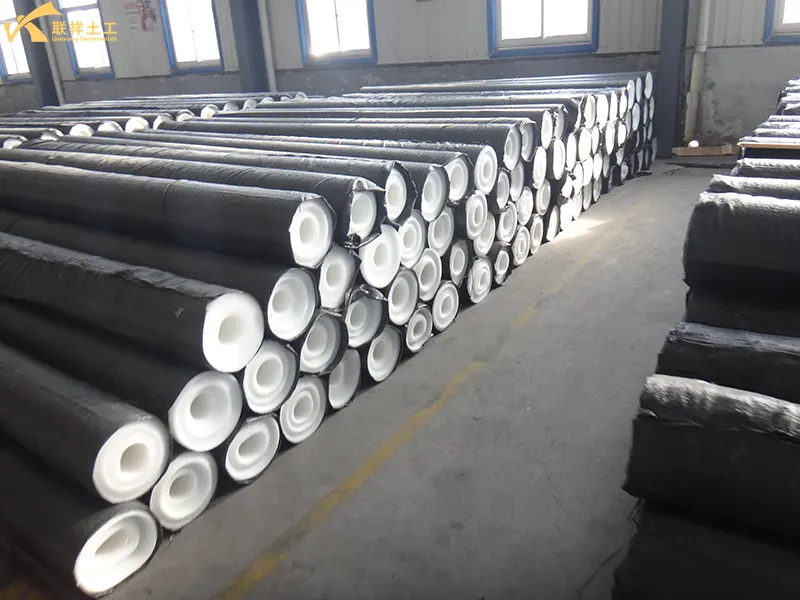
The primary raw material for Lianxiang pond geomembranes is what is commonly referred to as "soft plastic." During storage and transportation, this material is highly susceptible to damage from hard or sharp objects. Furthermore, since finished pond geomembranes are typically supplied in rolls, a single puncture can render the entire roll unusable; therefore, it is crucial to implement enhanced protective measures for the finished product. Today, we will outline six key measures designed to ensure that pond geomembranes remain intact and undamaged.
- 4.1. Once packaged, pond geomembranes must be handled with extreme care and set down gently; excessive force or rough handling must be avoided.
- 4.2. Throughout the entire transportation process, any areas where the pond geomembrane comes into contact with truck doorframes or support racks must be padded with soft protective materials to prevent damage to the membrane.
- 4.3. When loading or unloading pond geomembranes at the construction site, operations should be conducted in a level, flat area. When using mechanical equipment to hoist the geomembranes, ropes must be secured to both ends of the roll to prevent accidental drops that could result in damage to the membrane.
- 4.4. During the installation (laying) of the geomembrane, the ground surface must be free of any hard or sharp objects, and workers are required to wear flat-soled footwear.
- 4.5. When heat-welding the pond geomembrane seams, the welding area must be kept clean and free of any dirt or debris.
- 4.6. Once the welding of the pond geomembrane is complete and backfilling begins, care must be taken to ensure that the backfill material does not cause damage to the geomembrane.
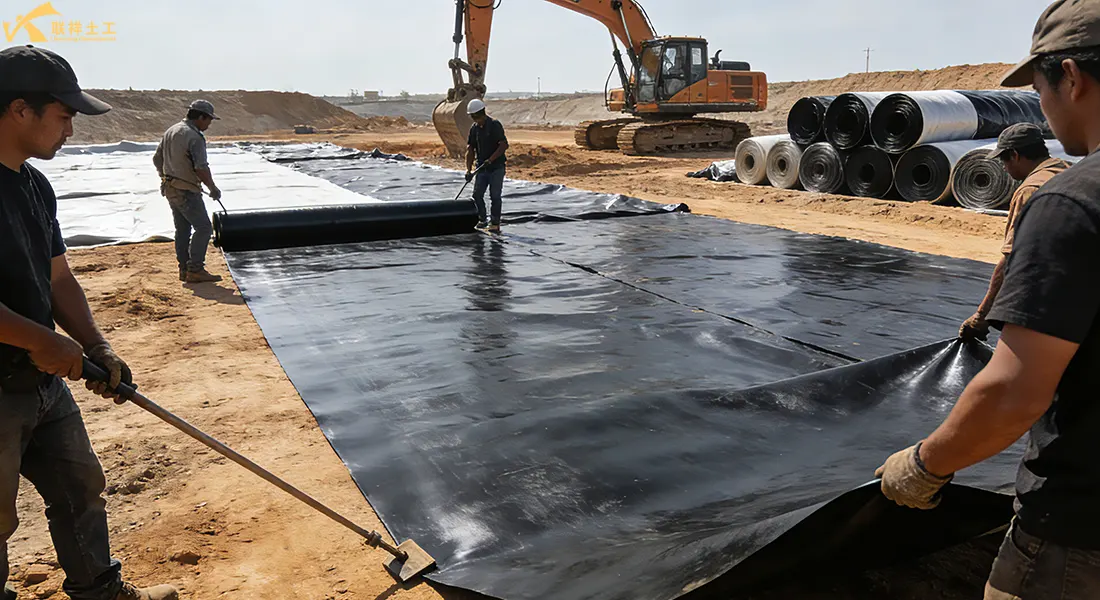
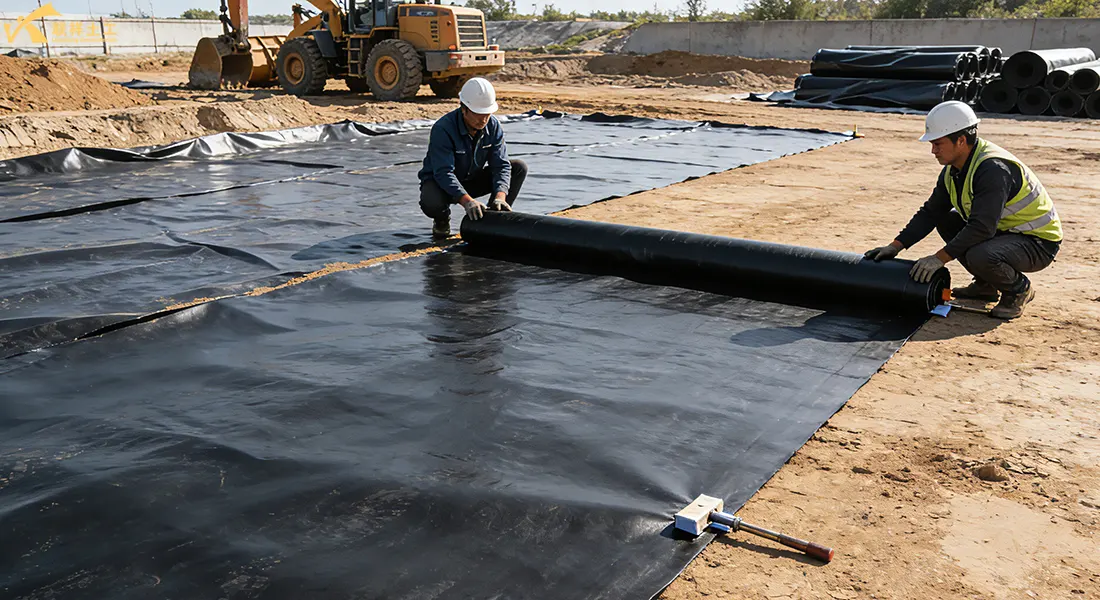
The six points outlined above represent the most common protective measures for preventing damage to pond geomembranes. We hope this information proves helpful in your future efforts to protect and preserve your pond geomembrane installations. In summary, enhancing the impermeability of fish pond liners is a systematic undertaking that spans the entire process—from material selection and site preparation to installation and ongoing maintenance. This encompasses everything from choosing high-quality HDPE liners of appropriate thickness to meticulously preparing the subgrade and eliminating every potential hazard; and from adhering to strict installation protocols and rigorously controlling welding quality to ensuring timely protective covering and conducting regular inspections during the operational phase. Every single link in this chain is interconnected and indispensable. Negligence at any stage could trigger a leak, ultimately compromising the aquaculture environment and economic returns.
We hope these four fundamental principles provide you with practical and actionable guidance. In impermeability engineering, the adage holds true: "Success is 70% dependent on materials, 30% on construction, and 100% on maintenance." Only by approaching every detail with rigorous precision can this "invisible shield" remain resilient and reliable against the ravages of time, providing enduring protection for your fish pond and helping your aquaculture operations achieve high efficiency and sustainable growth.
Written by
SHANDONG LIANXIANG ENGINEERING MATERIALS CO., LTD.
Kyle Fan
WhatsApp:+86 139 5480 7766
Email:admin@lianxiangcn.com
-
WhatsApp
-
E-MailE-Mail:admin@lianxiangcn.com
-
WeChatWeChat:18554180188