
- Home
- Company
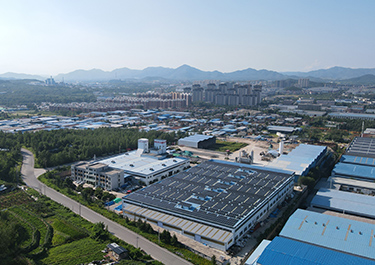 Our FactoryWe have a team of more than 30 talented geotechnical material R&D experts and a 30,000 square meter advanced modern intelligent manufacturing plant.
 - Products
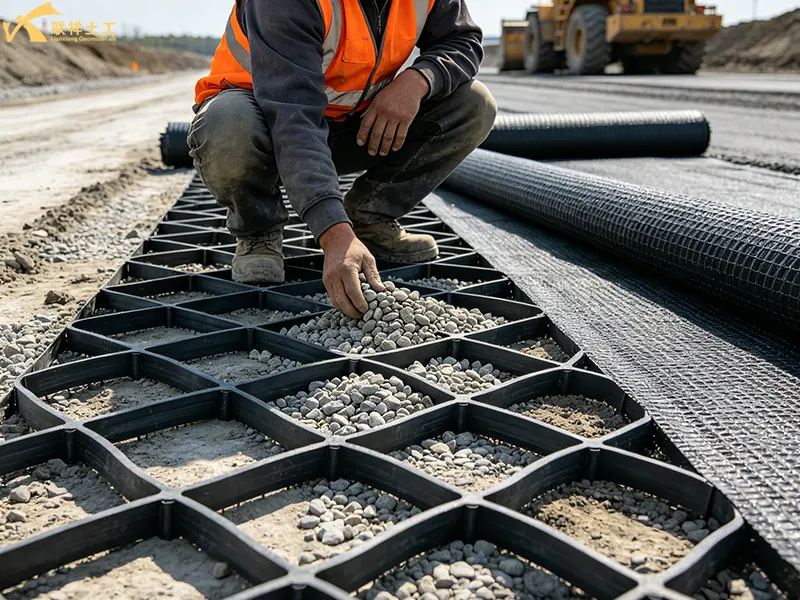
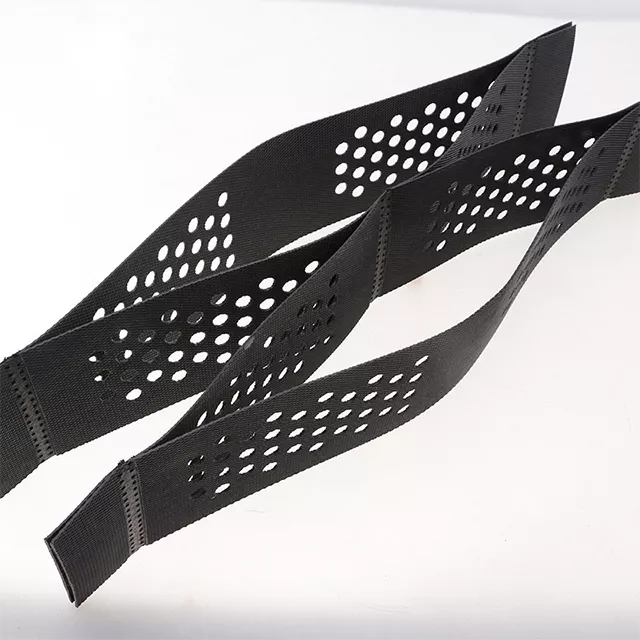 Geocell is a three-dimensional mesh structure made of high-strength polymer sheets (such as HDPE, PP, etc.) through ultrasonic welding. When unfolded, it presents a three-dimensional grid shape.
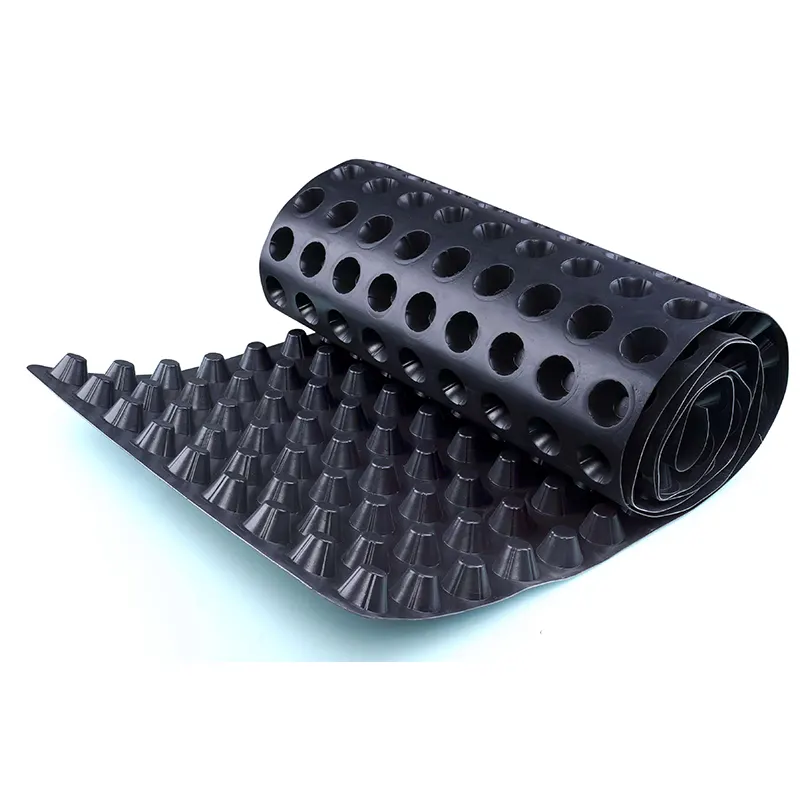
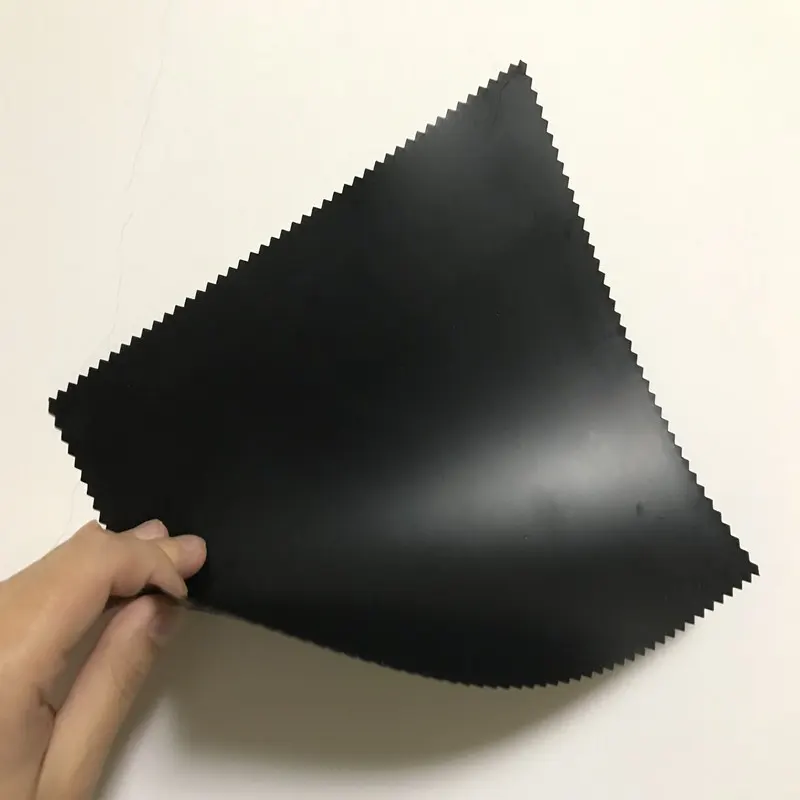 Geomembrane is a thin, extremely low-permeability sheet material made from high-molecular-weight polymers (high-density polyethylene, linear low-density polyethylene).
 - Blog
- Contacts
The 8 Best Strategies for Enhancing the Cold and Heat Resistance of Geocells


In an era characterized by increasingly frequent extreme weather events, geocells—serving as a core material for geotechnical reinforcement and confinement—face unprecedented challenges within their service environments. Frost-induced cracking in frigid regions and creep-related aging in high-temperature zones have emerged as two critical bottlenecks constraining the long-term stability of engineering projects. Traditional geocells, typically based on HDPE or PP substrates, often struggle to strike a balance between cold and heat resistance—perennial issues such as embrittlement at low temperatures and softening at high temperatures have long persisted. To systematically resolve this dilemma, Lianxiang Geotextile has approached the problem from multiple dimensions—including material formulation, structural design, composite reinforcement, and surface protection—identifying and validating eight optimal strategies. These strategies encompass the selection of high-performance polymers, modification via functional additives, alloying and nanocomposite technologies, enhanced node processing, wide-temperature-range formulation optimization, rigorous construction control, standard certification assurance, and customized design solutions. Collectively, they constitute a comprehensive technical roadmap for enhancing the wide-temperature-range adaptability of geocells. The following sections will elaborate, one by one, on the core principles and practical effects of these eight key strategies.
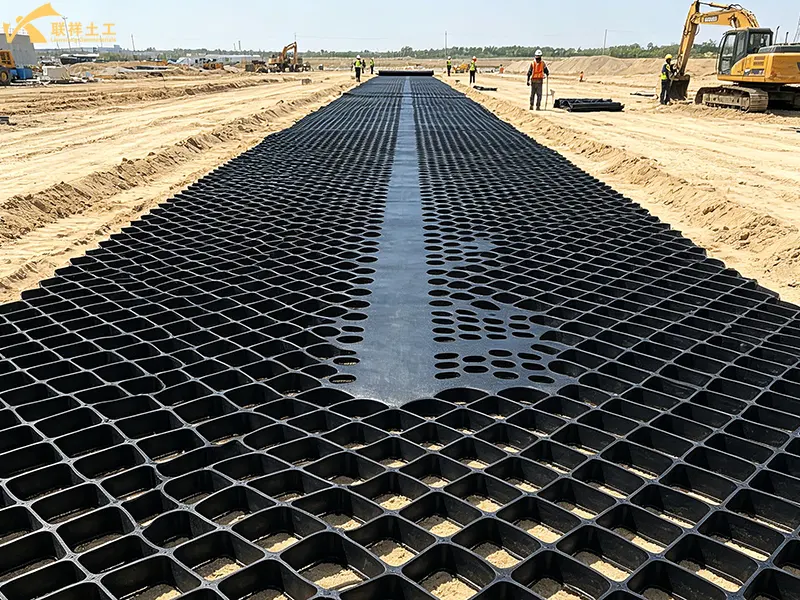
1. Polymer Matrix Alloying
Polymer matrix alloying is a pivotal technology for achieving a quantum leap in the heat and cold resistance of geocells. This technique involves more than mere physical blending; rather, it utilizes a molecular-level approach of "complementing strengths to offset weaknesses" to create novel materials with performance characteristics far exceeding those of their individual constituent components. It is widely regarded as a new frontier in the technological innovation of geocell materials.
1.1. The Core Mechanism of Alloying
Traditional HDPE or PP materials each possess inherent shortcomings regarding heat or cold resistance. Alloying technology systematically mitigates these deficiencies through the following mechanisms:
- "Balancing Rigidity and Flexibility" through Blending Modification: This involves blending engineering plastics known for their excellent heat resistance but relative brittleness (e.g., PA6) with general-purpose plastics characterized by high toughness but moderate heat resistance (e.g., HDPE). Specialized compatibilizers (such as HDPE-g-MAH) act as "molecular bridges," ensuring that the two distinct materials bond tightly to form a polymer alloy that simultaneously exhibits high strength, high toughness, and exceptional heat resistance.
- Construction of a "Skeletal" Reinforcement: Creating a cross-linked network or microfibrillar structure within the material to enhance its rigidity and thermal stability. For instance, through multi-channel extrusion technology, high-melting-point materials are drawn in situ into microfibrils within a low-melting-point plastic matrix during melt extrusion, thereby forming a stable, three-dimensional reinforcing network.
- Introduction of "Super-Reinforcers": Incorporating nanomaterials—such as graphene and graphene oxide—into the matrix allows for the establishment of stronger intermolecular forces at the microscopic level, significantly boosting the material's overall mechanical properties and thermal stability.
- Microstructure Regulation: Utilizing additives—such as nucleating agents—to optimize the polymer crystallization process results in the formation of finer, more uniform crystalline grains, thereby enhancing the material's overall stability and heat resistance.
1.2. Core Alloying Systems and Formulations
The following lists several mainstream alloying systems that have been validated through practical application:
| Alloying System | Core Components | Key Additives/Processes | Performance Characteristics |
| HDPE/PA6 Polymer Blend Type | High-Density Polyethylene (HDPE) Nylon 6 (PA6) | Compatibilizer (HDPE-g-MAH) | Balances the flexibility of HDPE with the high strength and heat resistance of PA6, offering excellent comprehensive performance. |
| High-Strength Injection Molding Type | HDPE-based Polymer Blending Technology | Engineering Plastics + Specialized Compatibilizers | Tensile strength is 1.8 times that of traditional HDPE; creep rate is reduced by 60%; service life can reach up to 50 years. |
| HDPE/EVA/PA6/Nanomaterials | HDPE (55–70 parts) Ethylene-Vinyl Acetate Copolymer (6–13 parts) PA6 (7–15 parts) | Silane-coupling-agent-grafted Graphene Oxide Nanomaterials (2–5 parts) Nano-Magnesium Hydroxide Sulfate Whiskers (6–10 parts) | Significantly raises the heat distortion temperature, endowing the material with outstanding high-temperature resistance. |
| Nano-Crosslinked Composite Type | Nano-crosslinked Polyethylene (Outer Layer) Graphene-modified PA6 (Core Layer) | Three-layer Co-extruded Composite Structure | Synergistically enhances strength, modulus, and chemical resistance through a "skin-core" structure, making it suitable for harsh environments. |
| Eco-friendly Type (Based on Recycled Cables) | Recycled Crosslinked Polyethylene (XLPE) HDPE | Ethylene-octene Copolymer Grafted with Maleic Anhydride (POE-g-MAH) | Environmentally friendly and sustainable; offers superior tensile strength and aging resistance compared to virgin HDPE, thereby contributing to a circular economy. |
| High-Weather-Resistance Type | HDPE | Tougheners (EVA), Chopped Fibers, UV Absorbers, Antioxidants, Nucleating Agents | Specifically engineered to enhance resistance to extreme temperatures (both high and low), aging resistance, and impact strength. |
Additionally, there are alloy systems based on a PP matrix; by incorporating additives such as nano-MoO3 cold-resistance agents and glass fibers, these systems effectively enhance cold resistance, crack resistance, and overall mechanical properties.
1.3. Key Performance Data
| Performance Metric | Traditional Products | Alloyed Products | Improvement/Advantage |
| Tensile Strength | 20–35 MPa (Unstretched) | Up to 150 MPa (Highly stretched); 1.8 times that of traditional HDPE | 4–7 times / 80% |
| Creep Rate | Relatively high | Reduced by 60% compared to conventional products | Significantly reduced |
| Node Peel Strength | 30 N (Snap-fit type) | > 500 N (High-temperature fusion-cast) | Increased by over 15 times |
| Operating Temperature Range | PP Substrate: -23oC to 70oC | -30oC to 80oC | Expanded |
| Freeze-Thaw Cycle Resistance | Not specified | Performance remains compliant after > 100 cycles | Strong resistance |
| Service Life | Not specified | Predicted to exceed 50 years | Significantly extended |
| Cost Increase | - | Approx. 10%–20% | Reduced total lifecycle cost |
Representative Products: Shandong Lianxiang, NAUE (Germany), Maccaferri (Italy) — High-End Weather-Resistant Geocells
2. Nanofiller Composite Reinforcement
Nanofiller composite technology for geocells represents a leading high-end technology currently prevalent in the international market. Its underlying principle involves dispersing nanoscale fillers within a polymer matrix; by leveraging the fillers' immense specific surface area and interfacial effects, this process achieves a quantum leap in performance enhancement.
2.1. Common Materials
2.1.1. Graphene:
Graphene is a versatile performance enhancer. Characterized by its two-dimensional layered structure and vast specific surface area, it is currently the most extensively researched nanofiller.
- Demonstrated Effects: The latest research indicates that with an ultra-low addition rate of just 0.01%, graphene can disperse uniformly and act as a nucleating agent, thereby increasing the crystallinity of HDPE by 21.1%—with a corresponding 21.1% increase in yield stress.
- Note: If the addition amount is excessively high (e.g., 0.10%), it can paradoxically lead to graphene agglomeration, causing the crystallinity to drop to 38.4%. This demonstrates that the principle of "high efficiency at low concentrations" is key to its successful application.
2.1.2. Carbon Nanotubes (CNTs):
Carbon nanotubes primarily serve to enhance the structural integrity of geocells and heighten their sensitivity for smart sensing applications. Leveraging their exceptional electrical conductivity and high aspect ratio, they deliver two core values to geocells:
- Structural Reinforcement: Acting as a reinforcing phase, they effectively boost the toughness and crack resistance of the polymer matrix.
- Smart Sensing: With the addition of CNTs, the composite material becomes "sensitive" to deformation. When structural deformation occurs, the material's intrinsic electrical resistance changes accordingly; by monitoring these fluctuations, it becomes possible to achieve comprehensive deformation monitoring and safety early warning throughout the entire lifecycle of the structure—all without the need to embed any external sensors.
2.1.3. (nano-MoO3):
Nano-molybdenum trioxide is specifically designed for geocells intended for use in low-temperature, high-altitude, and frigid regions.
- Core Function: Its primary function is to suppress the crystallization behavior of the polymer matrix at low temperatures. This effectively mitigates cracking caused by crystallization during cold weather, thereby significantly extending the service life and enhancing the reliability of geocells in extremely cold environments.
2.1.4. Layered Silicates:
Layered silicates are capable of comprehensively enhancing the overall performance of geocells.
- Fundamental Principle: Layered silicates—exemplified by nano-montmorillonite—possess a lamellar (sheet-like) structure that enables them to form a multitude of physical cross-linking points within the polymer matrix, thereby creating a nanoscale network. This significantly improves the material's impact resistance, fatigue resistance, and dimensional stability, serving as an effective means to bolster the overall durability of geocells.
3. Compound Weathering Additive System
3.1. International Standard Formulation:
- Carbon Black Masterbatch (2–3%): Long-term UV shielding (preferred for black-colored cells).
- HALS (Hindered Amine Light Stabilizer) + UV Absorber (UV-531/UV-327).
- High-Temperature Antioxidant (Phenolic + Phosphite blend).
3.2. Performance Results:
- Strength retention rate >85% after 5,000 hours of xenon-arc accelerated aging.
- Thermal-oxidative service life extended by 3–5 times.
4. Cross-linking Modification
4.1. Implementation Methods:
- Silane cross-linked HDPE (mainstream practice in high-latitude cold regions of Europe and North America).
- Alternatively, electron-beam radiation cross-linking.
4.2. Performance Results:
- Heat Resistance: Long-term service temperature increased by 15–25oC.
- Cold Resistance: Resistance to freeze-thaw fatigue increased by 30%.
- More stable weld-point strength; less susceptible to brittle fracture at low temperatures
5. Structural Optimization: Design for Resistance to Temperature-Differential Stress
5.1. Globally Accepted Structural Improvements:
- Thicker cell walls (1.5–2.0 mm) + Smaller cell dimensions (10–15 cm).
- Increased weld-point density (spacing <= 15 cm): Disperses freeze-thaw stresses.
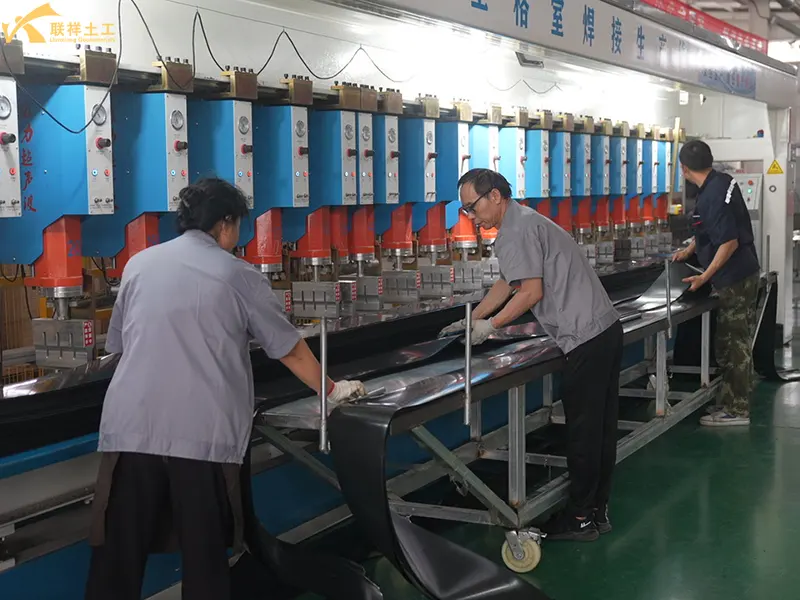
- Integrated ultrasonic welding: Node strength reaches >95% of the base material's strength.
- Variable-section / Ribbed cell walls: Embedded fiberglass or polyester reinforcements.
5.2. Performance Results:
- Weld-point detachment rate < 5% after freeze-thaw cycles.
- Adaptable to extreme environments with annual temperature differentials ranging from −40oC to +70oC.
6. Surface Coating / Protective Encapsulation
6.1. Technologies:
- Post-welding integral coating with polyurethane, polyurea, or weather-resistant epoxy.
- Alternatively, composite lamination with aluminum foil or metal oxide coatings.
6.2. Functions:
- Acts as a barrier against the ingress of moisture, salts, acids, and alkalis.
- Prevents the migration and depletion of internal additives.
- Further enhances resistance to UV radiation and thermal-oxidative aging.
7. Fiber-Reinforced Composites (FRP Geocells)
7.1. Premium International-Grade Products:
- HDPE + Continuous Glass Fiber/Carbon Fiber Co-extrusion Composites.
- Steel-Plastic Composites (Galvanized Steel Wire + High-Strength PE).
7.2. Performance Characteristics:
- Significantly improved resistance to thermal creep and enhanced low-temperature rigidity.
- Suitable for scenarios involving heavy loads combined with extreme temperature fluctuations (e.g., airports, seaports, highways in high-latitude/frigid regions).
8. Specialty-Grade Raw Materials + Precision Processing Techniques
8.1. Key Control Measures:
- Selection of HDPE specifically formulated for geosynthetics (characterized by high molecular weight and narrow molecular weight distribution).
- Precise control of extrusion and molding temperatures (to prevent material degradation).
- Continuous nitrogen atmosphere protection throughout the process to minimize thermal-oxidative aging.
8.2. Results:
- Significantly elevated upper limits for both heat and cold resistance.
- Enhanced batch-to-batch stability and long-term performance consistency.
9. Performance Benchmarks for Premium Weather-Resistant Geocells
- Operating Temperature Range: Stable over the long term from −45oC to +80oC.
- Freeze-Thaw Cycles (−30oC ↔ +40oC): Strength retention >80% after 100+ cycles.
- Thermal-Oxidative Aging Resistance: Strength retention >85% after 168 hours of thermal aging at 100oC.
- UV Aging Resistance: Strength retention >85% after 5,000 hours of UV exposure.
10. Conclusion
- 1. Standard Engineering Applications: Weathering additives + Specialty-grade HDPE (Most cost-effective solution).
- 2. High-Latitude/High-Temperature Regions: Polymer Blends/Alloys + Nanocomposites (Mainstream premium solution).
- 3. Extreme Temperature Fluctuations + Heavy Loads: Cross-linking + Fiber Reinforcement + Structural Strengthening (Top-tier solution).
In summary, enhancing the cold and heat resistance of reinforced geocells does not rely on a single technical method; rather, it is a comprehensive systems engineering endeavor requiring synergistic coordination across the entire value chain—from molecular design through to practical engineering application. Through the synergistic integration of scientific material selection, precision modification, structural innovation, and rigorous quality control, modern geocells are now capable of ensuring stable performance across a wide temperature range spanning from -30oC to 80oC. These advancements have resulted in a more than 15-fold increase in nodal peel strength, a reduction in creep rate exceeding 60%, and a freeze-thaw cycle endurance of over 100 cycles. Of particular note is the incorporation of cutting-edge technologies—such as polymer alloying and nanocomposite filling—which not only resolves the inherent trade-offs and limitations of traditional materials but also endows Lianxiang geocells with novel capabilities, including intelligent sensing and ultra-long service life.
Looking ahead, with the continued advancement of materials genome technology, intelligent construction monitoring systems, and green recycling frameworks, Lianxiang geocells are poised to serve as even more reliable components in critical infrastructure projects—ranging from high-altitude railways and roads in extreme cold environments to mining zones in frigid regions and construction sites in hot, humid climates. This will truly realize the objective of "withstanding the extremes of heat and cold to construct enduring, century-scale engineering works." It is recommended that engineering professionals, when implementing specific applications, flexibly select or combine the aforementioned measures based on the climatic zoning and load classifications of the project site; furthermore, priority should be given to obtaining third-party test data regarding wide-temperature-range aging and freeze-thaw cycling to ensure both the economic efficiency and technical reliability of the proposed engineering solutions.
Written by
SHANDONG LIANXIANG ENGINEERING MATERIALS CO., LTD.
Kyle Fan
WhatsApp:+86 139 5480 7766
Email:admin@lianxiangcn.com
-
WhatsApp
-
E-MailE-Mail:admin@lianxiangcn.com
-
WeChatWeChat:18554180188